
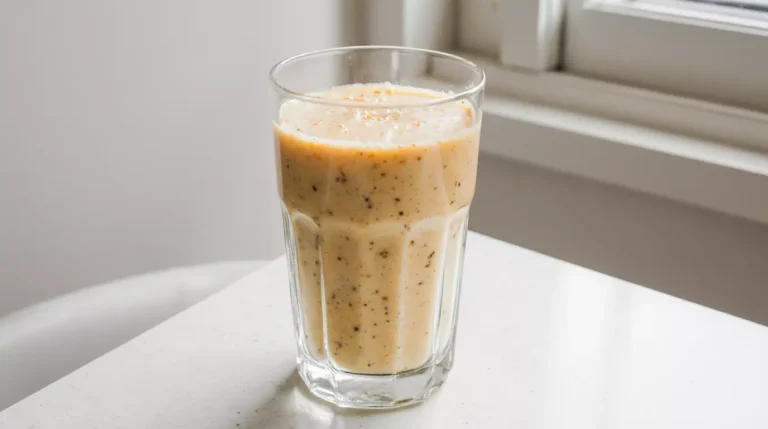
Finding the highest protein tropical smoothie isn’t about dumping protein powder into fruit and calling it a day. It’s about structure. You want tropical flavor, smooth texture, and enough protein to actually keep you full without wrecking the drink.
Tropical smoothies often lean heavy on fruit, which means fast sugar and short energy. When built correctly, a tropical protein smoothie delivers real staying power while still tasting fresh and bright.
This first part explains what makes a smoothie truly high protein, how to build it correctly, and where most tropical smoothies fall apart.

High Protein Tropical Smoothie Bowl
Ingredients
Main Ingredients
- 1/2 cup frozen mango
- 1/2 cup frozen pineapple
- 1/2 banana
- 1/2 cup Greek yogurt or dairy-free alternative
- 1 scoop vanilla protein powder
- 1/4 cup coconut water or milk of choice
Toppings
- sliced banana
- shredded coconut
- chia seeds
- granola
Instructions
- Add frozen mango, pineapple, and banana to a blender.
- Add Greek yogurt, protein powder, and coconut water.
- Blend until thick and smooth, scraping down sides as needed.
- Pour into a bowl and smooth out the top.
- Add desired toppings like banana, coconut, chia seeds, or granola.
- Serve immediately and enjoy with a spoon.
Notes
What “Highest Protein” Really Means in a Smoothie
High protein doesn’t mean max protein at all costs. It means hitting a level that supports fullness and recovery without turning the smoothie chalky.
For most people, the highest protein tropical smoothie lands around:
- 25 to 40 grams of protein
- Balanced with fiber and fat
- Smooth enough to drink comfortably
If the texture is off, the protein number doesn’t matter.
Why Tropical Smoothies Need Balance
Tropical fruit is soft, sweet, and fast digesting. Mango, pineapple, and banana blend easily, but without protein they burn quickly.
Protein slows digestion and adds structure. Without it, even the best tropical smoothie protein smoothie feels more like juice than a meal.
Best Protein Sources for Tropical Smoothies
Not all protein sources behave well with tropical flavors. Texture matters as much as nutrition.
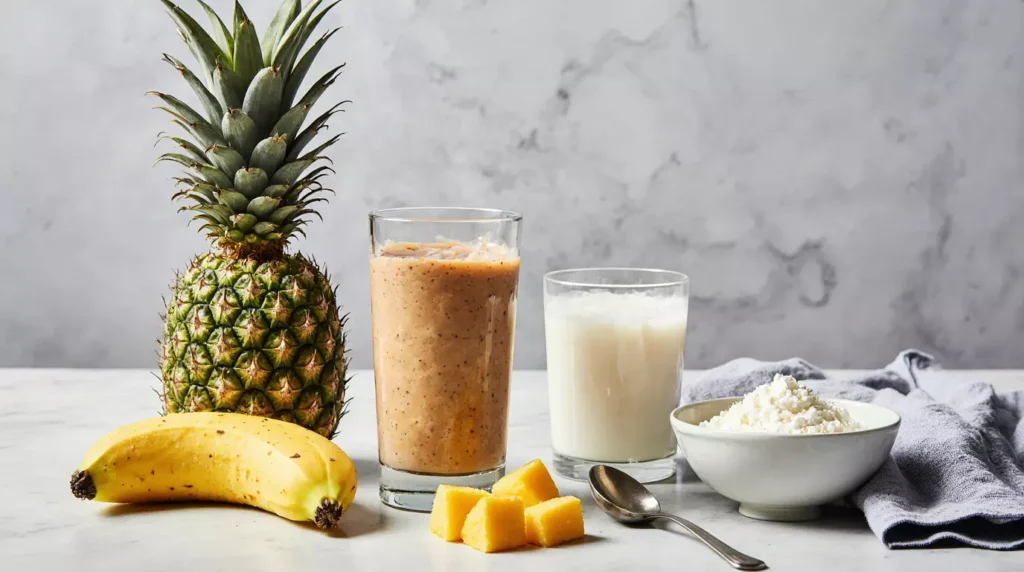
Greek Yogurt and Skyr
These add creaminess and protein without overpowering fruit. They pair especially well with mango and pineapple.
Protein Powders That Blend Clean
Vanilla or unflavored whey isolate works best. Heavy dessert flavors clash with tropical fruit and ruin balance.
Cottage Cheese for Serious Protein
Blended cottage cheese adds significant protein while keeping the smoothie smooth. When paired with tropical fruit, it creates a rich but clean texture.
Tropical Fruits That Actually Work
Limit fruit to one or two options.
Best choices:
- Mango for body
- Pineapple for brightness
- Banana for creaminess
Too many fruits dilute protein density and spike sugar.
Why Fat Matters
Fat slows digestion and improves texture.
Good options include:
- Small amounts of coconut milk
- Nut butters
- Chia or flax seeds
These make the smoothie satisfying without heaviness.
Common Mistakes That Kill Protein Smoothies
Avoid:
- Using only fruit and protein powder
- Adding juice instead of whole fruit
- Skipping fat entirely
- Using ice instead of frozen fruit
These mistakes flatten flavor and reduce staying power.
Smart Add-Ins That Enhance, Not Distract
Add-ins should support the smoothie.
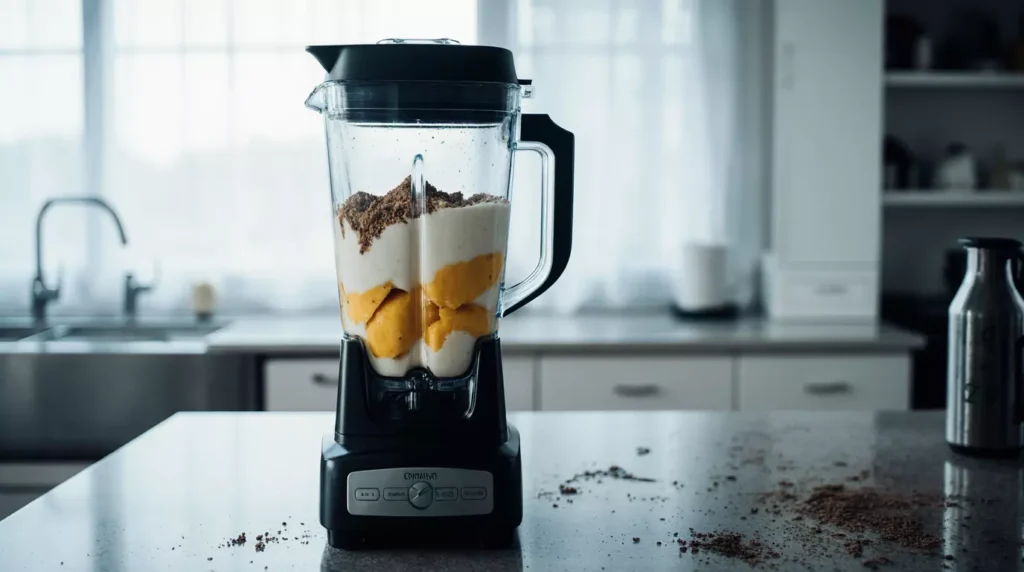
Ingredients like bee pollen smoothie blends work when used lightly and thoughtfully, adding subtle complexity without overpowering tropical flavors.
Sweet extras should stay minimal. Tropical fruit already does the heavy lifting.
How This Fits Into Real Life
High protein smoothies work best when they simplify your day.
They’re often used as:
- Post-workout meals
- Fast breakfasts
- Light lunches
They also pair well with small indulgences. When your nutrition is balanced, even something like salted caramel cold foam fits naturally without throwing the day off.
Set Expectations Before Recipes
There’s no single perfect smoothie. Protein needs vary.
What matters is learning one reliable structure you’ll repeat. Once that’s locked in, variety becomes easy instead of overwhelming.

Three Highest Protein Tropical Smoothie Wins
These three smoothies are built around the same structure but solve different needs. Each one keeps tropical flavor front and center while delivering real protein that actually satisfies.
1. Creamy Mango Protein Smoothie
This is the most balanced option and a great place to start.
Protein comes primarily from Greek yogurt or blended cottage cheese, which keeps the texture smooth instead of chalky. Mango adds body and natural sweetness, while a small amount of coconut milk rounds everything out.
This version works well as:
- A fast breakfast
- A post workout smoothie
- A light lunch replacement
It’s filling without feeling heavy, which is exactly what the highest protein tropical smoothie should be.
2. Pineapple Banana Tropical Protein Smoothie
This one leans brighter and lighter while still delivering serious protein.
Banana helps balance pineapple’s acidity and creates a creamy base that blends well with protein powder or cottage cheese. A tablespoon of nut butter adds fat, which slows digestion and improves texture.
If you like smoothies that feel refreshing rather than rich, this one hits the mark.
It pairs especially well with protein focused meals later in the day, similar to how something like salmon and spinach stuffed pasta shells balances lighter meals without overloading the day.
3. High Protein Tropical Smoothie Bowl
This version is thicker and spoonable, perfect when you want something more meal-like.
Frozen mango and banana create the base, while cottage cheese or thick Greek yogurt delivers the protein. The key is keeping liquid minimal so the bowl stays thick without becoming icy.
This option is ideal when:
- You want a slower meal
- You prefer texture
- You need protein but want variety
How Much Protein Is Enough
The highest protein tropical smoothie does not need extreme numbers to be effective.
Most people do best with:
- 25 to 35 grams of protein per smoothie
- Balanced with fiber and fat
- Consumed consistently, not occasionally
More protein is not always better if it hurts digestion or texture.
Adjusting for Dietary Needs
These smoothies are flexible.
To make them dairy free:
- Use plant protein blends
- Add avocado or coconut cream for texture
To reduce sugar:
- Limit fruit to one option
- Skip sweetened liquids
For dessert style cravings, it helps to separate treats from nutrition. Saving sweets for later, like sugar free dairy free desserts, keeps smoothies functional instead of turning them into disguised desserts.
Why Texture Determines Repeatability
A smoothie that looks good on paper but feels thick, gritty, or icy will not last in your routine.
Fix texture by:
- Reducing powder
- Increasing yogurt or cottage cheese
- Using frozen fruit instead of ice
Texture is what turns a recipe into a habit.
When to Drink High Protein Tropical Smoothies
Timing depends on your day.
They work best:
- After workouts
- On busy mornings
- As a light lunch
They’re less ideal late at night when digestion slows.
Protein Beyond Smoothies
If you enjoy high protein foods in baked or snack form, smoothies don’t have to carry the entire load. Recipes like cottage cheese banana brownies show how protein can fit into different parts of the day without repetition.
Smoothies work best when they’re part of a bigger picture, not the only solution.
Are tropical smoothie smoothies actually healthy?
Tropical smoothies can be healthy when they are built with intention. The issue is that many tropical smoothies rely heavily on fruit and sweetened liquids, which raises sugar without much protein. A highest protein tropical smoothie balances tropical fruit with protein, fiber, and healthy fats so it keeps you full and supports steady energy instead of a sugar spike.
How much protein is in the whey at Tropical Smoothie?
Protein content from whey at smoothie chains varies by portion size and brand, but a typical scoop of whey protein usually provides around 20 to 25 grams of protein. When aiming for the highest protein tropical smoothie at home, using a measured scoop allows better control over protein intake and overall balance.
Can you add protein powder to a tropical smoothie?
Yes, protein powder can be added to a tropical smoothie and is one of the easiest ways to increase protein. For best results, use a clean tasting whey isolate or a lightly sweetened plant based protein. Adding too much protein powder can hurt texture, so balance it with yogurt, cottage cheese, or healthy fats.
What is the healthiest drink at Tropical Smoothie?
The healthiest option is usually the one with the least added sugar and the most protein. Drinks that include protein, whole fruit, and unsweetened liquids tend to be better choices. When making smoothies at home, it is much easier to create a tropical smoothie protein smoothie that fits your goals without unnecessary sweeteners.
Is it OK to drink smoothies every day?
It is fine to drink smoothies every day as long as they are balanced. A daily smoothie should include protein, fiber, and fat rather than just fruit. A highest protein tropical smoothie can work well as a regular meal replacement or snack when it complements the rest of your diet instead of replacing whole foods entirely.
Final Thoughts
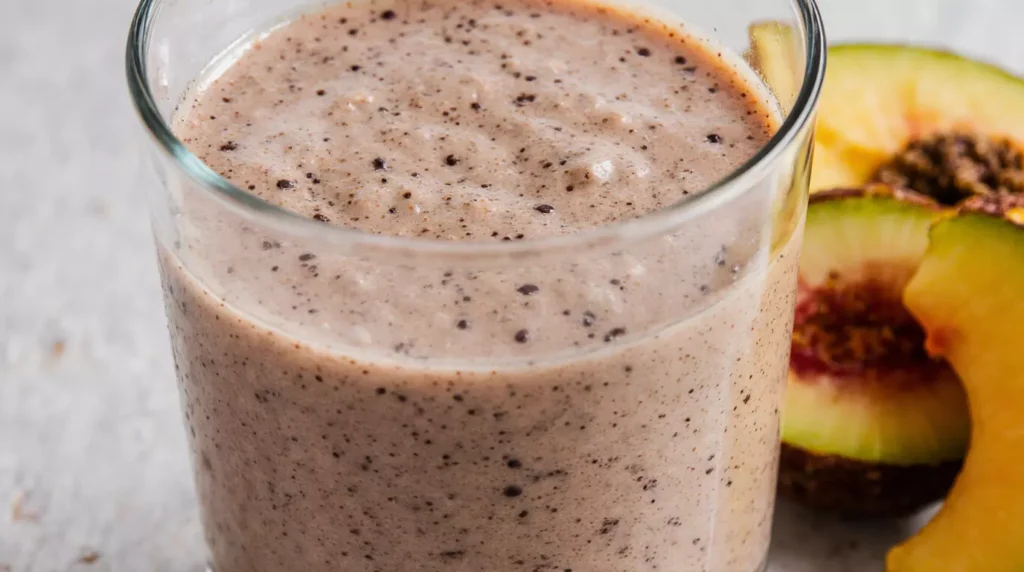
The highest protein tropical smoothie is not about chasing numbers. It’s about building a drink that tastes good, blends smoothly, and keeps you full long enough to matter.
Once you understand the structure, you don’t need endless recipes. You need one or two reliable builds you’ll repeat.
That’s what makes these smoothies work in real life, not just on paper.