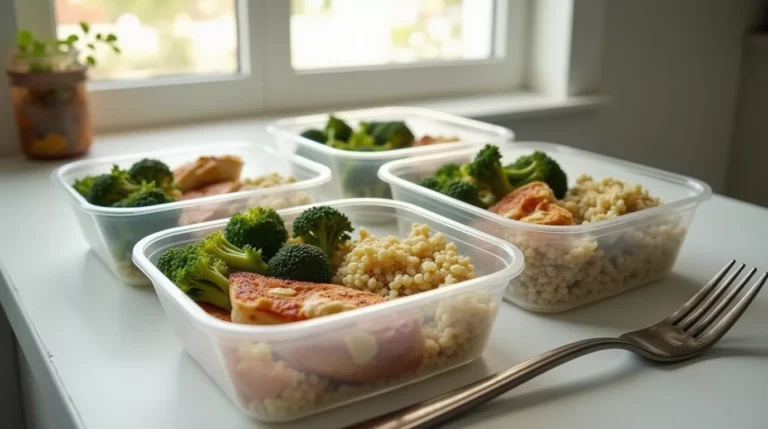
High protein meal prep for the week doesn’t have to feel like a chore. In this guide you’ll learn how to batch-cook lean proteins, balance macros, and keep every meal fresh, all while saving time and cash.
For a complete foundation, this guide builds on the basics covered in our full meal prep guide, then focuses specifically on protein-focused planning for the week.
Why High Protein Meal Prep Is a Game-Changer
Let’s be honest, most of us don’t get enough protein unless we’re trying really hard or living off shakes and eggs. But when you start prepping your meals with protein front and center, everything changes. You stay full longer, avoid energy dips, and if you’re into fitness? It helps with recovery and muscle-building, too.
High-protein meal prep isn’t just about hitting macros it’s about building a system that works for your body, your time, and your actual life.
How Much Protein Do You Need?
You don’t need to walk around with a calculator in your pocket, but a good rule of thumb is:
- Women: 90–120g/day
- Men: 110–150g/day
- Active or lifting weights? Add 20–30g more
These are general estimates, and individual protein needs vary based on age, activity level, and overall diet.
Breaking that into your meals: you want about 25–35g of protein per meal to stay on track.
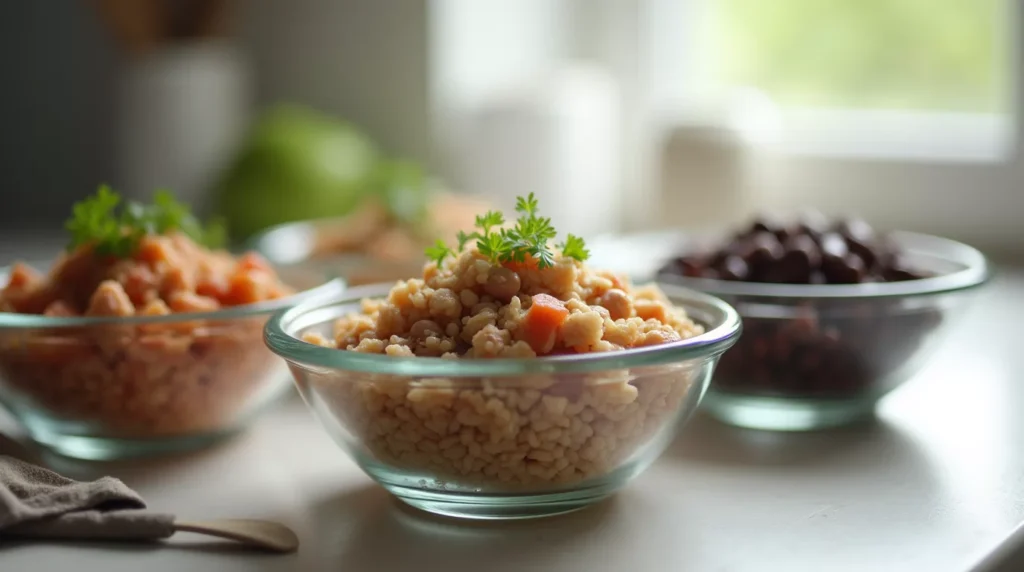
High Protein Meal Prep Basics (Without Making It Complicated)
What to Buy
Protein sources:
- Chicken breast
- Canned tuna or salmon
- Ground turkey
- Tofu or tempeh
- Cottage cheese
- Greek yogurt
- Eggs and egg whites
- Protein pasta
- Lentils and chickpeas
High-protein carbs:
- Quinoa
- Whole wheat pasta
- Beans
- Brown rice (with a protein buddy)
Fats that pull their weight:
- Peanut butter
- Almonds
- Seeds (chia, flax)
- Avocado (not protein, but great partner)
Pro tip: Don’t forget spices and sauces. No one wants bland chicken seven days in a row.
My Weekly High Protein Meal Prep Plan (Simple & Flexible)
Let’s keep this real. No gourmet complexity. Just stuff that tastes good and holds up in the fridge.
Breakfast Ideas
1. Egg White Muffins with Veggies
- 8 egg whites + 2 whole eggs
- Chopped spinach, bell peppers, onion
- Sprinkle of feta
- Bake in muffin tins for 20 min at 350°F
Each muffin = ~7g protein
2. Cottage Cheese & Berry Bowls
- 1 cup low-fat cottage cheese
- ½ cup blueberries or strawberries
- 1 tbsp chia seeds or almonds
~30g protein, fast and filling
3. Protein Overnight Oats
- ½ cup oats
- 1 scoop protein powder
- ¾ cup almond milk
- 1 tbsp peanut butter
Let it chill overnight — boom, ~25g protein to go
Lunch Prep Ideas
1. Chicken Quinoa Power Bowls
- Grilled chicken breast (5 oz)
- ½ cup quinoa
- Roasted broccoli and carrots
- Drizzle with tahini or tzatziki
~40g protein per bowl
2. Tuna Chickpea Salad
- 1 can tuna (in water)
- ½ cup chickpeas
- Diced cucumber, tomato, red onion
- Lemon, olive oil, parsley
~35g protein, zero cooking required
3. Ground Turkey Stir Fry
- 1 lb lean ground turkey
- Bag of frozen stir-fry veggies
- 1 tbsp soy sauce + garlic
- Serve with ½ cup brown rice
Divide into 4 meals — ~30g protein per
Dinners That Deliver
1. Sheet Pan Salmon & Sweet Potatoes
- 4 salmon filets (4–5 oz)
- Roasted sweet potatoes and asparagus
- Lemon, herbs, olive oil
~35g protein and still fancy enough to impress yourself
2. Tofu & Veggie Bowl (for Plant-Based Prep)
- Pan-fried tofu cubes
- Steamed rice or soba noodles
- Shredded cabbage, carrots, scallions
- Peanut-soy dressing
~28g protein, great for meatless days
3. Pasta with Chicken & Spinach
- 1 cup protein pasta (like Banza)
- ½ grilled chicken breast
- Sautéed spinach and mushrooms
- Sprinkle of parmesan
~40g protein and tastes like comfort food

How to Store Your Meals (So They Don’t Get Sad)
- Use glass containers when you can, they keep texture better
- Keep dressings/sauces separate until ready to eat
- Most meals stay good for 4–5 days in the fridge
- Freeze extras like turkey stir fry or salmon for next week’s rotation
Label everything. Unless you like playing mystery meal roulette.
Quick Snacks to Boost Protein Without Thinking
- Hard-boiled eggs (6g each)
- String cheese (7g)
- Greek yogurt cups (15–20g)
- Protein bars (check the sugar!)
- Roasted edamame
- Jerky (beef, turkey, even mushroom-based)
Slide one into your bag. You’ll thank yourself when 4pm hits.
Tips for Staying Consistent
- Prep twice a week if a full week feels like too much (e.g. Sunday + Wednesday)
- Buy in bulk to save money
- Rotate 2 proteins and 2 carbs each week to avoid burnout
- Don’t prep what you won’t eat. No one’s judging if broccoli’s off your list
Want to keep your costs low while hitting your protein goals? Check out our budget meal prep for beginners for money-saving strategies that still pack in the nutrients.
High Protein Meal Prep Shopping List (Sample)
| Category | Items |
|---|---|
| Protein | Chicken breast, eggs, Greek yogurt, tuna |
| Carbs | Quinoa, protein pasta, sweet potatoes |
| Veggies | Broccoli, spinach, carrots, bell pepper |
| Extras | Cottage cheese, almonds, peanut butter |
| Condiments | Soy sauce, lemon juice, garlic, tahini |
Print it. Use it. Take it with you and simplify your grocery run.
What is the best high protein meal prep?
The best high protein meal prep for the week is one that balances lean protein, simple carbs, and vegetables while staying easy to repeat. Meals built around chicken breast, eggs, Greek yogurt, fish, tofu, or legumes tend to work best because they reheat well and keep you full. A smart protein meal prep plan focuses on consistency rather than complexity, using a few reliable high protein recipes that can be mixed and matched across the week.
How can I get 150g of protein a day?
Reaching 150g of protein a day is realistic when protein is spread evenly across meals. A typical high protein meal prep day might include eggs or yogurt at breakfast, a chicken or turkey bowl at lunch, and fish or lean meat at dinner. Adding protein-rich snacks like cottage cheese or protein smoothies helps close the gap. Weekly planning makes this easier by ensuring every meal already fits your protein target.
Is 100g of protein too much for a meal?
For most people, 100g of protein in a single meal is more than necessary and not ideal for digestion. Instead of concentrating protein in one sitting, a weekly meal prep plan works best when protein is distributed evenly. Meals with 30 to 40 grams of protein are easier to digest and support muscle recovery more effectively when spaced throughout the day.
How can I get 100g of protein a day easily?
Getting 100g of protein a day becomes simple with a structured high protein meal prep routine. Start with a protein-rich breakfast, include a solid lunch like a chicken or bean-based bowl, and finish with a balanced dinner. Choosing familiar high protein recipes and prepping them in advance removes guesswork and helps you hit your target without tracking every bite.
How do I meal prep for a week high protein?
To meal prep for a week high protein, start by selecting two or three protein sources and preparing them in bulk. Pair them with simple carbs like rice or potatoes and vegetables that store well. A good protein meal prep plan focuses on flexible components rather than fixed meals, allowing you to rotate flavors while keeping protein intake consistent across the week.
Split your target across three meals and one snack:
| Time | Protein Goal | Example |
|---|---|---|
| Breakfast | 25 g | Overnight oats with whey and Greek yogurt |
| Lunch | 30 g | High protein meal prep bowl: turkey mince, quinoa, roasted peppers |
| Snack | 15 g | Cottage cheese with sliced almonds |
| Dinner | 30 g | Baked cod with black beans and steamed veggies |
Final Thoughts
High protein meal prep isn’t a chore, it’s a shortcut to feeling better, eating smarter, and having one less thing to worry about during your busy week. Whether you’re training hard, chasing toddlers, or just tired of making lunch decisions, prepping your meals with protein in mind is the move.
Start small. Build the habit. And hey, enjoy the part where you open your fridge and feel like you’ve got life figured out (at least a little).
3 thoughts on “High Protein Meal Prep for the Week: Ultimate Beginner’s Guide”