
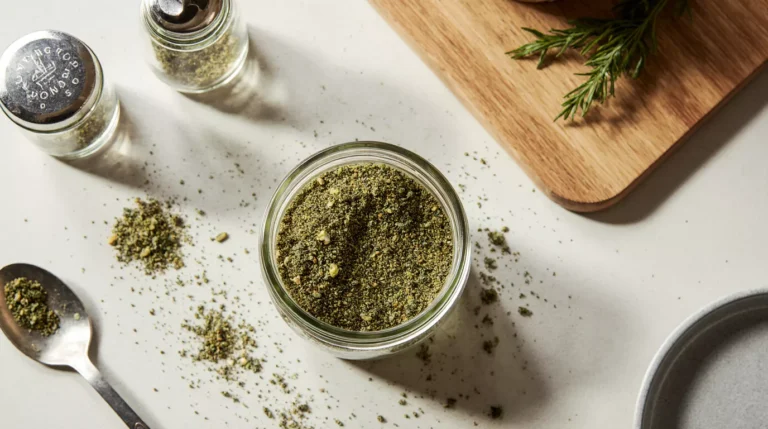
If you love that sharp, refreshing tang you get from a good dill pickle, this homemade Dill Pickle Seasoning brings that exact flavor to everything you cook. One sprinkle gives snacks a pop of acidity, lifts simple vegetables, wakes up roasted potatoes and even transforms plain popcorn into something bright and addictive. This is the kind of seasoning blend that earns a permanent place in your pantry because it works on almost anything.
The best part is how simple it is to make. You do not need special equipment, and you do not need to hunt down rare ingredients. Most of what goes into this dill pickle seasoning recipe is already in your spice drawer or on a basic supermarket shelf. The flavors come from familiar ingredients like dried dill, garlic, onion and vinegar powder, all mixed into a blend that brings instant freshness in a way jarred pickles never could.
If you enjoy making homemade flavor boosters, especially comforting, hearty dishes like the creamy layers in the smoked salmon chowder recipe or velvety bowls like the warming pea risotto, this seasoning adds a vibrant contrast to your weekly menu. It is an easy upgrade that fits right into meal prep, snack prep and everyday cooking.
Why Homemade Dill Pickle Seasoning Beats Store-Bought
1. The Freshness Is Completely Different
Store-bought blends often rely on fillers, excess salt or dehydrated ingredients that lose character over time. When you make your own dill pickle seasoning mix, you control every detail. The dill tastes brighter. The garlic tastes cleaner. The acidity hits quicker and cleaner. Everything stays lively.
2. You Control the Salt Level
Most commercial blends are extremely salty. When you mix your own, you choose how bold or how gentle you want it. It gives you more room to use it on snacks, vegetables, chicken or fish without overpowering your food.
3. Better Flavor for Meal Prep
Meal prep meals often fall flat after a couple of days in the fridge. A quick shake of this seasoning brings them back to life instantly. Even simple bowls or plates transform quickly. For example, if you enjoy balanced weekly meals like the bright bowls in the high carb low fat meals guide or organized weekly menu plans such as the structured WW meal plan, this seasoning blends perfectly into that routine.
4. Costs Less and Lasts Longer
A single small store-bought jar costs more than making a full homemade batch. You get more quantity and better quality for a fraction of the price.
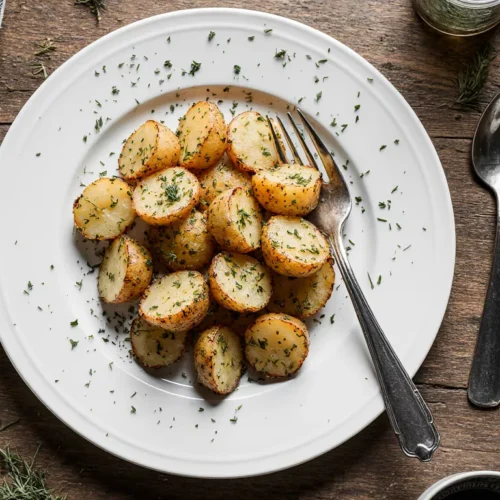
Dill Pickle Seasoning
Ingredients
Main Ingredients
- 1 tbsp dried dill weed
- 1 tbsp garlic powder
- 1 tbsp onion powder
- 1 tsp dried parsley
- 1 tsp citric acid
- 0.5 tsp salt
Instructions
- Combine all ingredients in a small bowl.
- Mix thoroughly until evenly blended.
- Transfer to an airtight container or spice jar.
- Store in a cool, dry place.
- Use to season popcorn, fries, or roasted veggies.
Notes
Ingredients for Homemade Dill Pickle Seasoning
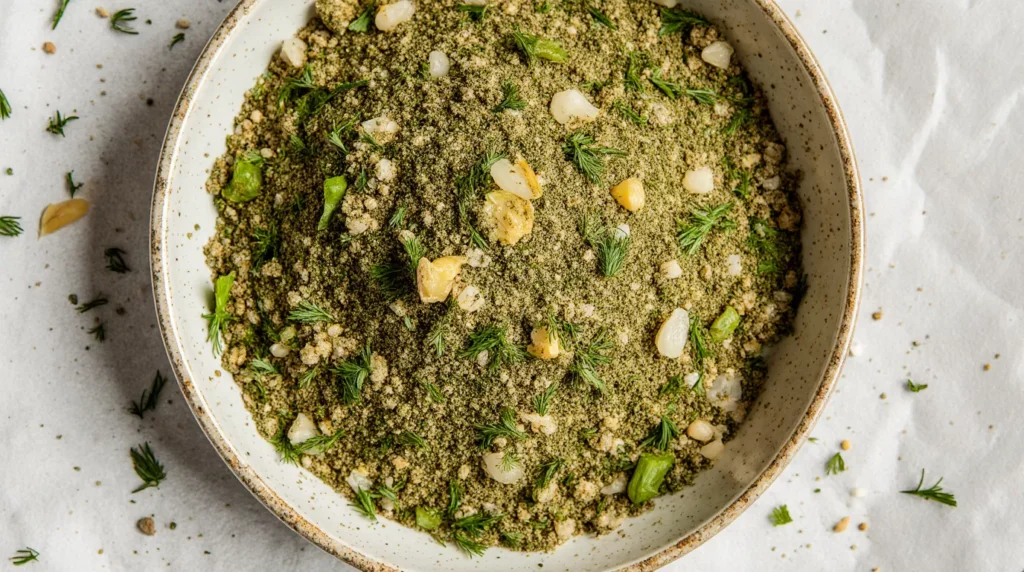
This blend uses basic pantry spices that work together to bring the signature tang of dill pickles:
• Dried dill
• Garlic powder
• Onion powder
• Mustard powder
• Dried chives
• Fine salt
• Black pepper
• Citric acid or vinegar powder (for acidity)
• Optional: dried parsley or dried celery seed
The heart of the seasoning comes from dill, acidity and aromatics. Everything else supports the classic pickle flavor without making the blend taste salty or harsh.
How to Make Dill Pickle Seasoning (Step by Step)
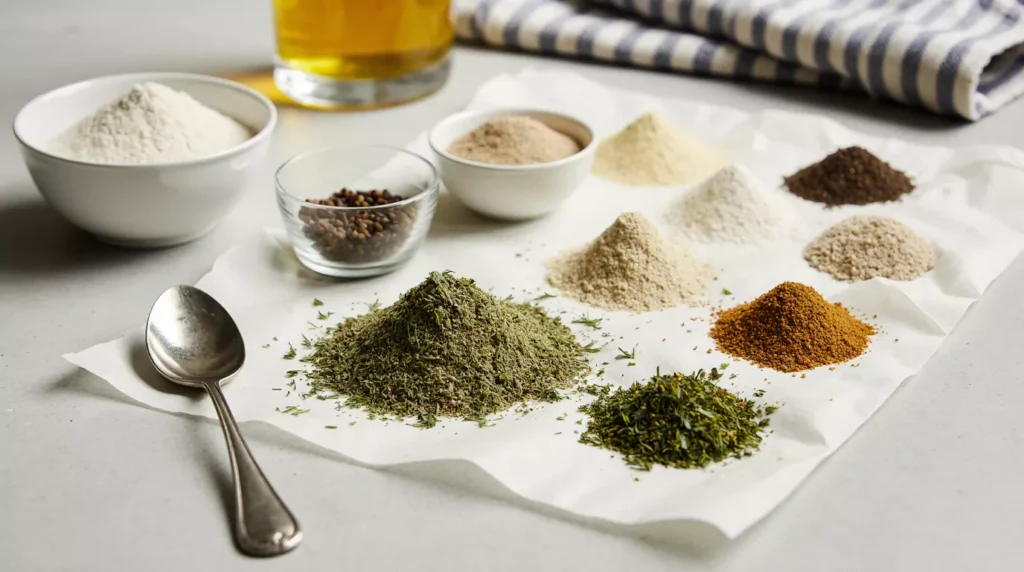
Step 1 — Measure Your Spices
Use a small bowl and measure equal amounts of dried dill, garlic powder and onion powder. Add smaller amounts of mustard powder, dried chives and black pepper. The acidity comes last so you can control the sharpness.
Step 2 — Add the Acid Component
Citric acid gives you a strong, clean sourness. Vinegar powder gives a smoother tang. Start with a small amount and increase to taste. This ingredient is what turns the blend from “herby” into true dill seasoning with pickle intensity.
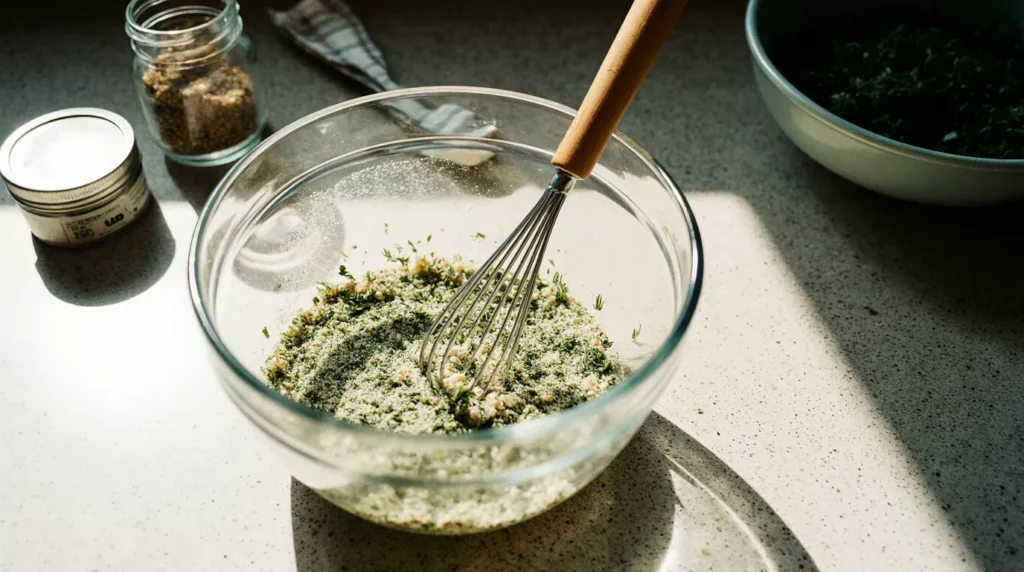
Step 3 — Mix Thoroughly
Blend the spices with a small whisk or fork until everything is evenly combined. Take your time. A well-mixed seasoning gives more consistent flavor.
Step 4 — Adjust Salt
Taste a pinch. Add a tiny amount of fine salt if needed. Keep it light so the seasoning stays versatile.
Step 5 — Store Properly
Pour the seasoning into a small airtight jar. Keep it in a cool, dry kitchen drawer. It keeps its strength for up to six months.
One jar of this mix can upgrade dozens of meals and snacks without requiring extra prep time.
Nutrition Guide (Per Teaspoon)
| Nutrient | Amount |
|---|---|
| Calories | 4 kcal |
| Carbs | 1 g |
| Fiber | 0.1 g |
| Protein | 0.1 g |
| Fat | 0 g |
| Sodium | Varies based on salt added |
This blend is naturally light and fits into most eating plans. It adds flavor without adding heaviness, which makes it ideal for meal prep bowls, salads and daily snacks.
How to Use Dill Pickle Seasoning
This section is where this blend truly shines. Once you make it, you will use it on more dishes than you expect.
1. Sprinkle It on Popcorn and Chips
This is where the blend becomes addictive. Toss warm popcorn with a tiny bit of oil, then add the seasoning. The flavor sticks and transforms a simple snack into something sharp, savory and bright.
2. Rub It on Chicken or Fish
Season chicken breast, white fish or shrimp before cooking. The dill and acidity create a clean, refreshing finish that pairs well with grilled or baked proteins.
3. Upgrade Your Meal Prep Bowls
If you love prepping bowls for the week, this seasoning brings balance to every mix. Add it to veggie bowls, potato bowls, quinoa bowls or chickpea bowls. It pairs perfectly with high-energy weekly menus like those found in the high carb low fat meals guide.
4. Mix Into Greek Yogurt for a Quick Dip
Two teaspoons mixed into plain Greek yogurt create a zero-effort dip for vegetables or crackers.
5. Add to Roasted Vegetables
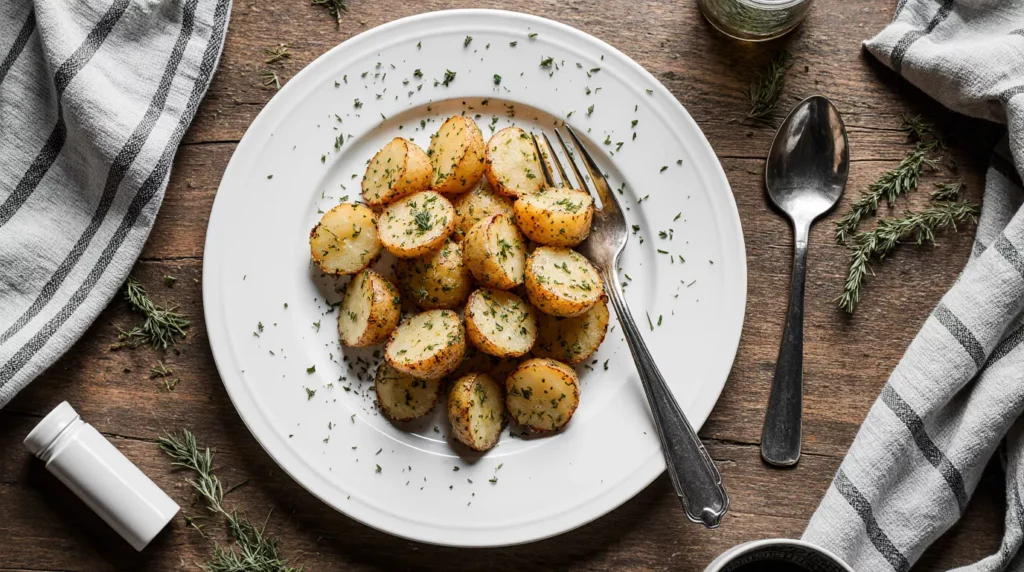
Sprinkle the seasoning on roasted potatoes, broccoli, carrots or zucchini while they are hot. The acidity brightens everything.
6. Boost Your Sandwiches and Wraps
A light shake transforms turkey, tuna, egg salad or vegetable wraps. It delivers instant crunch flavor without adding calories.
7. Stir Into Afternoon Snacks
Your readers enjoy refreshing afternoon beverages like the cool flavors in the iced shaken espresso dunkin guide. A small bowl of yogurt, cottage cheese or fresh veggies seasoned with this mix makes the perfect low-effort companion.
Storage Tips for Maximum Freshness
Keep It Dry
Moisture is the only thing that can ruin this blend. Always use a clean, dry spoon when measuring. If water gets inside the jar, the mix will clump and lose its brightness.
Store in an Airtight Glass Jar
A simple spice jar works perfectly. Glass keeps aromatics stable longer than plastic and prevents flavor absorption.
Avoid Heat and Sunlight
Spices fade faster when exposed to warm air or direct light. Keep the jar in a drawer or cabinet.
Shelf Life
Your dill pickle seasoning mix stays at full strength for about six months. After that, the dill starts to weaken, but the acidity remains. If the blend starts smelling faint or muted, simply make a fresh batch.
Flavor Variations
If you love customizing your seasonings, these variations turn one recipe into a full flavor collection.
1. Spicy Dill Pickle Seasoning
Add crushed red pepper or cayenne. Great for popcorn or roasted potatoes.
2. Creamy Ranch Dill Mix
Add dried parsley, dried buttermilk powder and a tiny bit of garlic. This creates a ranch-pickle hybrid that works well with yogurt dips.
3. Zesty Lemon Dill Blend
Add lemon zest powder or a squeeze of fresh lemon when serving. Perfect for grilled fish and vegetables.
4. Smoky Dill Pickle Mix
Add smoked paprika for deeper flavor. Pairs well with warm dishes, especially comforting bowls like the creamy flavors in the smoked salmon chowder.
5. Mild and Herby Version
Reduce the acidity and increase parsley or chives. This creates a softer, family-friendly blend.
Meal Prep Notes
This seasoning fits beautifully into meal prep because it lifts flavors immediately. A small jar can brighten several weekly meals without adding time or effort.
Add It After Reheating
To keep its flavor sharp, sprinkle it on food after reheating. Heat reduces acidity, so adding it fresh gives you maximum brightness.
Perfect for Weekly Bowls
If you follow structured weekly eating routines like the balanced bowls in the high carb low fat meals guide or the organized flow of the WW meal plan, this seasoning blends naturally with that style. It keeps meal prep from feeling repetitive.
Use It to Refresh Leftovers
Even simple reheated rice or veggies taste new again with a sprinkle of this blend.
Recipe: Homemade Dill Pickle Seasoning
Ingredients
• 2 tablespoons dried dill
• 2 teaspoons garlic powder
• 2 teaspoons onion powder
• 1 teaspoon dried chives
• 1 teaspoon mustard powder
• 1 to 2 teaspoons citric acid or vinegar powder
• 1 teaspoon fine salt (adjust to taste)
• ½ teaspoon black pepper
• Optional: ½ teaspoon dried parsley or celery seed
Instructions
1. Combine the Main Herbs
In a small bowl, mix the dried dill, garlic powder, onion powder and dried chives.
2. Add Aromatics and Acidity
Add mustard powder and black pepper. Sprinkle in citric acid or vinegar powder. Start small and increase to taste.
3. Blend Thoroughly
Use a small whisk or fork to mix until everything is evenly combined.
4. Adjust Salt Level
Add salt to taste, keeping it on the lighter side for versatility.
5. Store Properly
Transfer the seasoning to an airtight glass jar and store it in a cool, dry place.
Macronutrient Table (Per Teaspoon)
| Nutrient | Amount |
|---|---|
| Calories | 4 kcal |
| Protein | 0.1 g |
| Carbs | 1 g |
| Fiber | 0.1 g |
| Fat | 0 g |
| Sodium | Varies based on salt added |
Advanced Ways to Use Dill Pickle Seasoning
1. Toss With Roasted Potatoes
Sprinkle it on hot potatoes after roasting for instant tang.
2. Mix Into Tuna or Egg Salad
It adds freshness and cuts heaviness instantly.
3. Use as a Salad Sprinkle
Add it to greens, cucumbers or tomato salads for a burst of flavor.
4. Add to Grains
Rice, couscous and quinoa come alive with this blend.
5. Dust Over Air Fryer Vegetables
Carrots, zucchini and broccoli absorb the seasoning perfectly.
6. Enhance Snack Boards
Sprinkle over nuts, popcorn or roasted chickpeas.
7. Make a Quick Yogurt Sauce
Mix with Greek yogurt and lemon for a fast salad topper.
Knowing how much you enjoy refreshing flavors like the light notes in the iced shaken espresso dunkin, this seasoning brings the same “bright lift” but in a savory form.
What seasonings do you use to make dill pickles?
Classic dill pickles rely on a simple group of spices: dill, garlic, mustard seed, peppercorns and a touch of coriander. When you create a dill pickle seasoning blend, you mimic these same flavors using dried herbs and powdered aromatics. Dried dill, garlic powder, onion powder and vinegar powder bring the bright, tangy taste of traditional pickles without needing a brine. The combination gives you the same sharp, refreshing flavor in a dry seasoning format that works on snacks, vegetables and cooked dishes.
What can you use dill pickle seasoning on?
You can use dill pickle seasoning on almost anything that needs a quick burst of flavor. It goes perfectly on popcorn, roasted potatoes, air fryer vegetables, grilled chicken, fish, tuna salad, egg salad, cottage cheese, yogurt dips, wraps and grain bowls. Many people also sprinkle it over cucumbers, tomatoes and simple salads for instant freshness. Because this blend is light and herby, it fits naturally into meal prep and everyday cooking.
What are the ingredients in Club House dill pickle seasoning?
Club House uses a blend of salt, citric acid, garlic powder, dill weed, spices, sugar and natural flavoring. A homemade dill pickle seasoning recipe follows the same idea but gives you control over the salt level and acidity. You can build your own version using dried dill, garlic powder, onion powder, mustard powder, black pepper and either citric acid or vinegar powder. The homemade version usually tastes brighter and cleaner because it avoids fillers.
What is the 3/2/1 rule for pickling?
The 3/2/1 rule is a simple formula for making pickle brine. It means three parts vinegar, two parts water and one part sugar. This ratio gives you a balanced brine that is not overly sweet or too harsh. While this rule applies to liquid pickling, the same balance of acidity and aromatics inspires a good dill pickle seasoning mix, which uses dried ingredients to recreate the flavor profile of fresh pickles.
What are the best spices for pickles?
The best spices for pickles depend on the style you want, but the most common options include dill, garlic, mustard seed, coriander, peppercorns and bay leaves. For a dry dill seasoning blend, you get the same core flavors by using dried dill, garlic powder, onion powder, mustard powder and vinegar powder. These ingredients create that clean, tangy pickle taste without needing a jar of brine.
Final Thoughts
Homemade Dill Pickle Seasoning is one of those small kitchen tricks that makes a big difference. It takes a few minutes to mix, yet it transforms snacks, vegetables and meal prep dishes with a sharp, clean flavor you cannot get from store-bought blends. It fits into everyday cooking, boosts weekly prep and adds personality to even the simplest meals.
Whether you are refreshing a bowl of vegetables, seasoning a wrap or building a cozy dinner after a long day, this blend gives you instant brightness without extra effort. With a small jar and a handful of pantry spices, your kitchen gets a new signature flavor you will use all week long.