
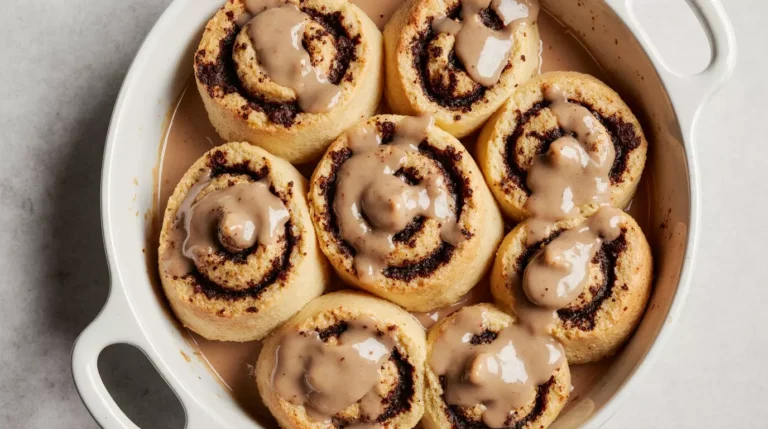
The idea for espresso cinnamon rolls came from a simple frustration. I love cinnamon rolls, but most of them taste sweet first and forget everything else. I wanted something deeper. Something that carried warmth, bitterness, and richness without turning heavy. Espresso was the answer.
These rolls are not coffee flavored desserts. They are cinnamon rolls that use espresso to sharpen flavor, deepen aroma, and balance sweetness. The result is softer dough, darker filling, and a finish that feels grown up without losing comfort.
If you enjoy desserts where sweetness is controlled and flavor does the work, espresso cinnamon rolls belong in your kitchen.
Why Espresso Changes Cinnamon Rolls Completely
Espresso does not make these rolls taste like coffee cake. It adds contrast.
In the dough, espresso enhances yeast activity and brings subtle bitterness that keeps the rolls from tasting flat. In the filling, it intensifies cinnamon without overpowering it. The aroma alone feels warmer and more complex.
This same balance is what makes layered desserts like tiramisu cheesecake work so well. Coffee does not dominate. It supports.
The key is restraint. Espresso should never be strong enough to announce itself. It should sit quietly behind the cinnamon.
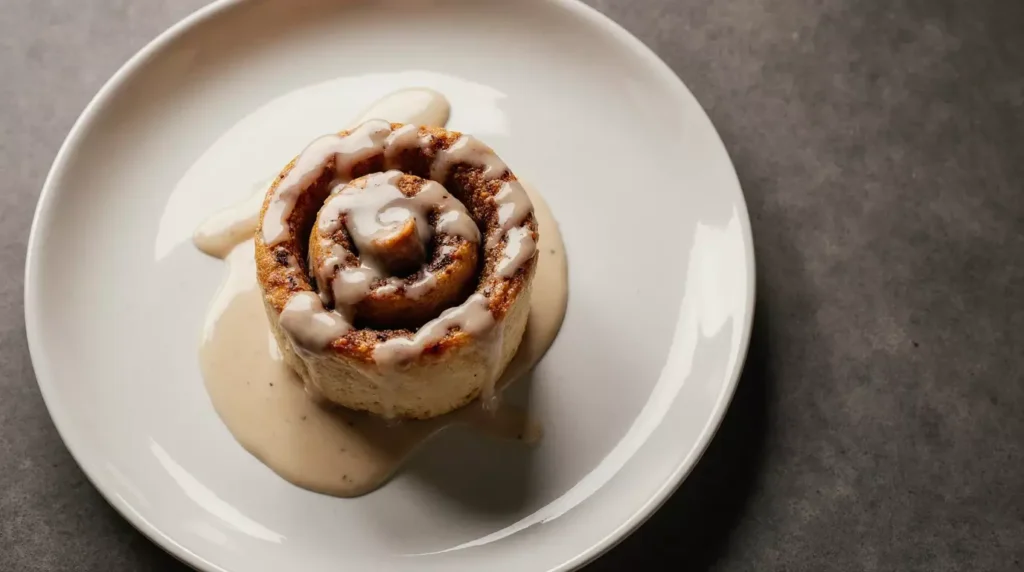
Understanding the Dough for Espresso Cinnamon Rolls
The dough is where most espresso cinnamon roll recipes fail. Too much liquid makes it dense. Too much sugar slows fermentation. The goal is soft structure with enough strength to hold the filling.
Milk keeps the crumb tender. Butter adds richness. Espresso replaces part of the liquid, not all of it. This keeps the dough balanced.
A good dough should feel slightly tacky but not sticky. When pressed, it should spring back slowly. That elasticity is what creates fluffy layers instead of compact spirals.
Patience matters here. Rushing the rise leads to tight rolls. Let the dough expand fully before shaping.
Ingredients That Actually Matter
Many recipes add espresso powder everywhere and call it depth. That usually leads to bitterness.
What matters most:
- Fresh espresso or strong brewed coffee that has cooled
- Good cinnamon with warmth rather than sharpness
- Brown sugar for moisture and caramel notes
- Butter that is soft, not melted
You do not need fancy toppings. Flavor comes from balance, not excess.
If you enjoy cinnamon desserts that lean into warmth rather than sugar, you might also appreciate baked treats like apple snickerdoodle blondies where spice and structure matter more than sweetness.
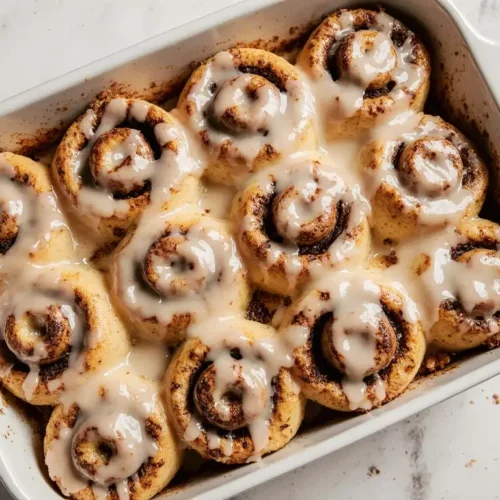
Espresso Cinnamon Rolls
Ingredients
Dough
- 2.75 cups all-purpose flour
- 0.25 cup granulated sugar
- 2.25 tsp instant yeast
- 0.5 tsp salt
- 0.75 cup milk warm
- 3 tbsp unsalted butter melted
- 1 egg
Filling
- 0.33 cup brown sugar
- 1 tbsp ground cinnamon
- 1 tbsp instant espresso powder
- 3 tbsp butter softened
Icing
- 0.5 cup powdered sugar
- 1 tbsp brewed espresso
- 1 tbsp cream cheese optional
Instructions
- Mix flour, sugar, yeast, and salt in a large bowl.
- Add warm milk, melted butter, and egg. Knead until soft and smooth dough forms.
- Cover and let rise for 1 hour, or until doubled.
- Roll dough into a rectangle. Spread with softened butter and sprinkle with brown sugar, cinnamon, and espresso powder.
- Roll up tightly and cut into 8–10 rolls. Place in a greased pan and let rise 30 minutes.
- Bake at 350°F (175°C) for 20–25 minutes. Drizzle with espresso icing while warm.
Notes
Making the Espresso Cinnamon Roll Dough
Start by warming the milk slightly. It should feel warm to the touch, not hot. Dissolve the yeast gently and let it activate.
Mix flour, sugar, and salt separately. Combine wet ingredients slowly. Add flour in stages. Do not dump everything at once.
Knead until smooth and elastic. The dough should clear the sides of the bowl but still cling slightly at the base.
Cover and let rise in a warm space until doubled. This can take ninety minutes or longer depending on temperature. Do not rush this step.
Building the Espresso Cinnamon Filling
The filling is where espresso earns its place.
Mix brown sugar, cinnamon, and a small amount of espresso powder. Brush softened butter across the rolled dough, then sprinkle the filling evenly.
The goal is even coverage without clumps. Too much filling causes leaking and uneven baking.
Roll tightly but without pressure. If you squeeze, the layers compress and bake unevenly.
Slice using unflavored dental floss or a sharp knife cleaned between cuts. Clean cuts mean clean layers.
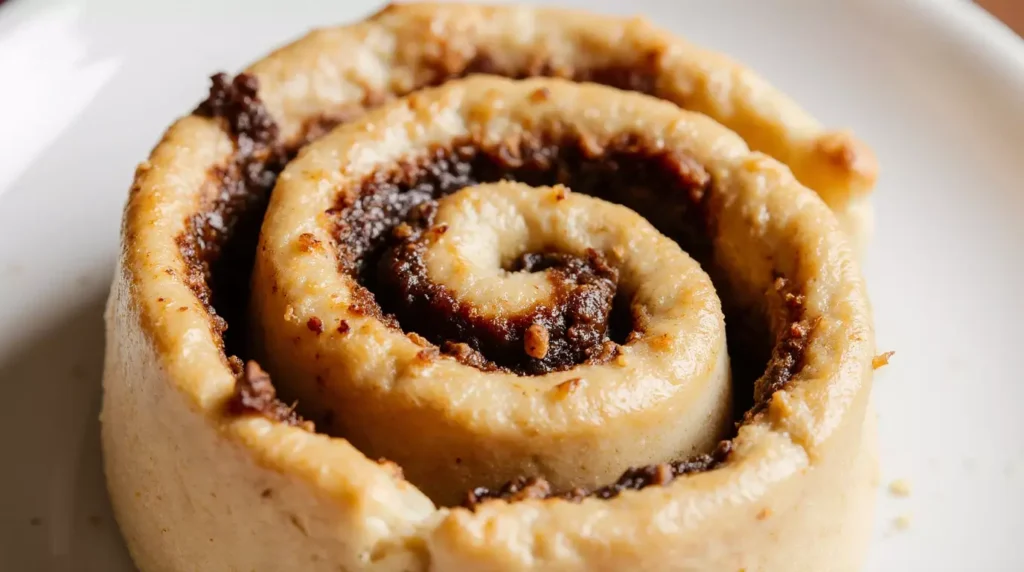
Proofing and Baking for the Best Texture
After shaping, the rolls need a second rise. This step defines softness.
Let the rolls expand until they touch slightly. This creates pull apart layers without crowding.
Bake until the tops are lightly golden and the centers are fully set. Overbaking dries them out quickly.
The smell of espresso and cinnamon together is the signal. When the aroma fills the kitchen, check doneness.
Texture Goals You Should Look For
A perfect espresso cinnamon roll should:
- Feel soft but structured
- Pull apart cleanly
- Show clear spiral layers
- Taste warm, not sugary
If the rolls feel heavy, the dough was rushed. If they taste bitter, the espresso was too strong.
Balance is everything.
Choosing the Right Frosting for Espresso Cinnamon Rolls
Frosting should support espresso cinnamon rolls, not overpower them. Heavy sweetness cancels the depth you worked to build in the dough and filling.
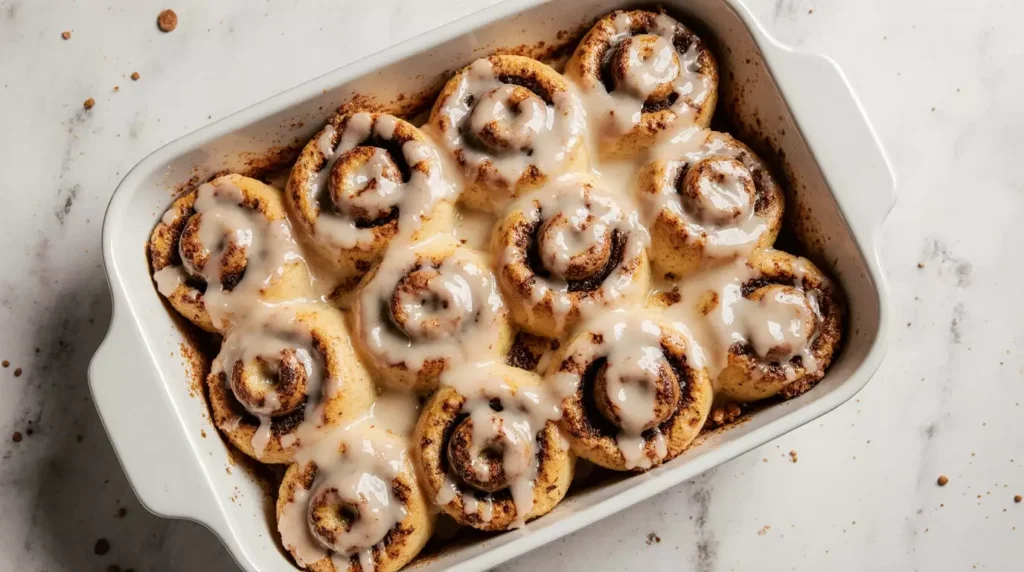
A simple cream cheese frosting works well if it is lightly sweetened. Keep it smooth and spreadable, not thick. Apply it while the rolls are warm, not hot. This allows the frosting to melt slightly and settle into the layers.
If you prefer something lighter, a vanilla glaze made with powdered sugar and milk is enough. Add a few drops of espresso to the glaze if you want continuity without intensity.
For desserts that rely on restraint and texture, this approach mirrors what works in dishes like white chocolate and Baileys mousse where richness is balanced by lightness.
When and How to Frost Without Ruining Texture
Timing matters more than the frosting itself.
If you frost too early, the rolls absorb too much moisture and lose structure. If you frost too late, the topping sits on the surface and feels disconnected.
The sweet spot is when the rolls are warm to the touch but no longer steaming. Spread gently. Let gravity do the work. Do not press.
This keeps the top soft while protecting the crumb underneath.
Flavor Variations That Stay True to Espresso Cinnamon Rolls
You can vary espresso cinnamon rolls without changing their identity.
A small amount of orange zest in the filling adds brightness. A pinch of cardamom deepens spice without competing with cinnamon. Chopped dark chocolate can work if used sparingly.
Avoid adding more sugar to compensate for bitterness. If the espresso tastes sharp, adjust strength, not sweetness.
For a dessert that leans into bold flavor without excess, inspiration can come from treats like Texas Gold Bars where richness is controlled through portion and balance.
Storing Espresso Cinnamon Rolls Properly
Fresh is best, but storage matters.
Once cooled completely, store rolls covered at room temperature for one day. For longer storage, refrigerate in an airtight container.
To reheat, warm gently. A short time in the oven covered loosely with foil works better than the microwave. This protects texture and prevents drying.
If frozen, thaw overnight in the refrigerator and reheat slowly.
Common Mistakes and How to Avoid Them
Dense rolls usually come from under proofed dough. Give it time.
Bitter flavor comes from too much espresso or espresso powder added without balance. Reduce strength before adding sugar.
Dry rolls come from overbaking. Pull them when the centers are just set.
If something feels off, adjust one variable at a time. Espresso cinnamon rolls reward precision.
Final Thoughts
Espresso cinnamon rolls are about depth, not drama. They bring warmth, bitterness, and sweetness into balance without shouting.
When made with patience and restraint, they feel familiar and new at the same time. Soft layers, dark spice, gentle coffee notes.
This is the kind of dessert that stays memorable because it does not try to impress. It simply works.
How to make cinnamon espresso?
Cinnamon espresso is made by adding a small amount of ground cinnamon to espresso before or after brewing.
You can sprinkle cinnamon into the coffee grounds before pulling the shot, or stir a pinch into hot espresso to add warmth and subtle spice without sweetness.
Did Taylor Swift make cinnamon rolls for Travis Kelce?
Je ne sais pas.
There is no verified public source confirming that Taylor Swift made cinnamon rolls for Travis Kelce, and this claim appears to come from online speculation rather than reliable reporting.
What is the secret ingredient in Cinnabon?
The signature flavor in Cinnabon cinnamon rolls comes from Makara cinnamon.
It is a specific variety known for its strong aroma and smooth heat, which creates a richer cinnamon flavor compared to standard grocery store cinnamon.
What does pouring heavy cream over cinnamon rolls do?
Pouring heavy cream over cinnamon rolls before baking adds moisture and richness.
As the rolls bake, the cream soaks into the dough, creating softer layers and a more tender texture throughout the center.
What is the cinnamon coffee trick?
The cinnamon coffee trick involves adding cinnamon to coffee to enhance flavor and reduce bitterness.
Cinnamon adds warmth and aroma, which can make coffee taste smoother and more balanced without adding sugar.