
The first time I brought burrata cheese home, I didn’t have a plan. It sat in the fridge while I figured out what kind of meal deserved it. When dinner finally happened, I realized the problem wasn’t the cheese. It was my hesitation. Burrata looks special, so people wait for the perfect moment, then overthink it.
What changed for me was using burrata cheese on a regular night, not a special one. No guests. No styling. Just dinner. Once I did that, everything clicked. Burrata stopped feeling fragile and started behaving like what it really is, a soft ingredient that reacts to timing, balance, and temperature more than technique.
This article is about how burrata cheese actually fits into real meals. Not restaurant food. Not theory. Just what works when you’re cooking at home and want food that feels complete without becoming complicated.
Quick Answer
Burrata cheese works best when it’s added at the end of cooking and allowed to soften naturally from warm food. In everyday meals, it brings richness and balance without needing to be melted, baked, or handled carefully.
Understanding Burrata Cheese Beyond the Label
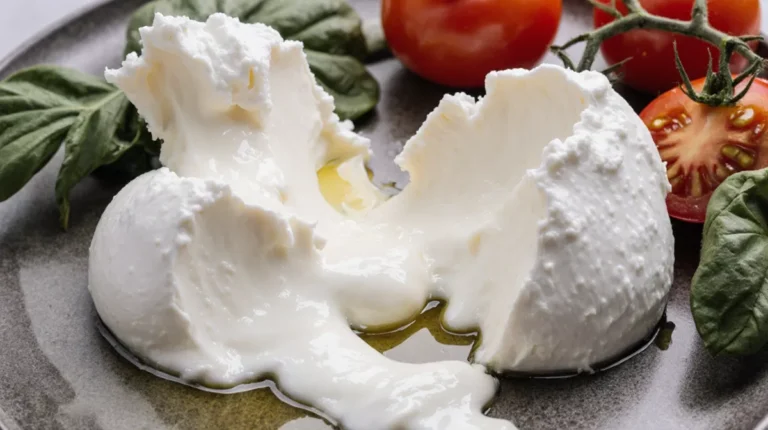
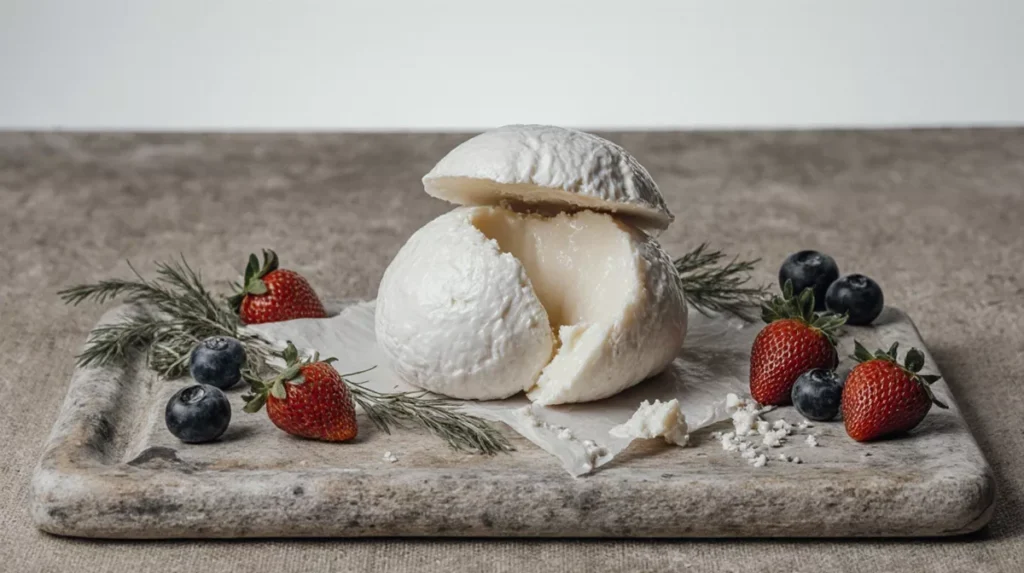
Burrata cheese is often grouped with mozzarella, but that comparison only goes so far. On the outside, it looks similar. Inside, it behaves completely differently. Once you cut into burrata, the creamy center moves immediately, spreading into the rest of the dish.
That movement is the point. Burrata cheese doesn’t sit still. It blends, coats, and softens whatever it touches. If you expect it to stretch or brown, you’ll be disappointed. If you expect it to act like a gentle sauce, it starts to make sense.
In my kitchen, I think of burrata cheese as a texture, not just a flavor. It fills gaps. It rounds edges. It doesn’t dominate, but it changes how everything else feels in your mouth.
Temperature matters more than people realize. Cold burrata tastes flat. Straight from the fridge, it feels tight and muted. When it warms slowly from food that’s already cooked, the flavor opens up and the texture relaxes. That’s when burrata starts doing its job.
Why Burrata Cheese Is Not a Cooking Cheese
One of the most common mistakes I see is trying to cook burrata cheese directly. It seems logical at first. It’s cheese, so why not melt it. The problem is that burrata isn’t built for heat.
When exposed to high temperatures, the creamy center separates. The texture turns grainy, and the flavor dulls. Instead of becoming rich, it becomes messy. That’s why baking or broiling burrata rarely ends well.
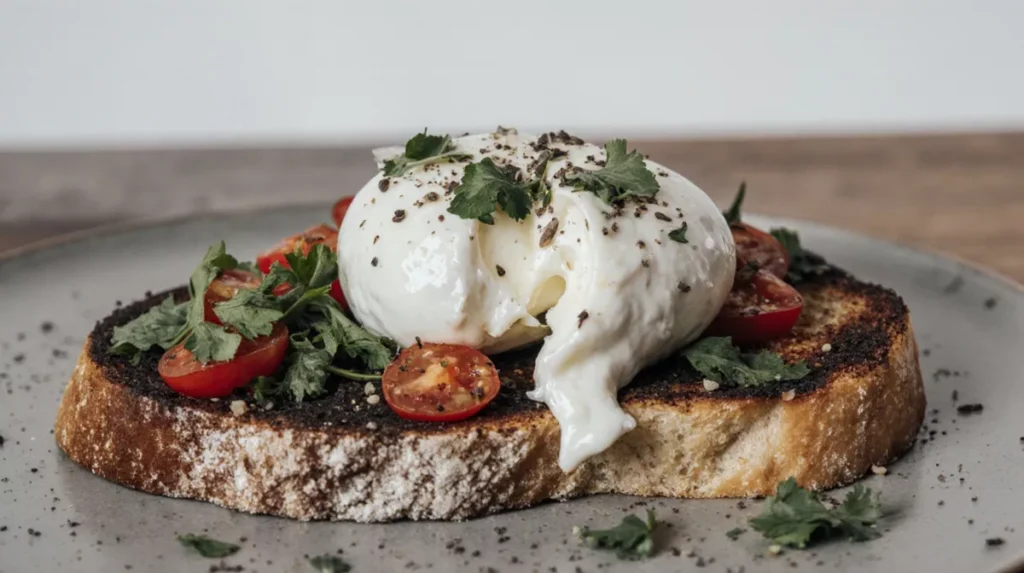
Burrata cheese belongs on finished food. It responds to residual heat, not direct heat. Pasta, roasted vegetables, warm sauces, and eggs all provide enough warmth to soften it without breaking it apart.
Once you stop treating burrata like an ingredient that needs to be cooked, it becomes much easier to use.
The Role of Burrata Cheese in Balanced Meals
Burrata cheese is rich. There’s no getting around that. What makes it work in meals is contrast.
Acidity is essential. Tomatoes, citrus, vinegar, and fermented ingredients keep burrata from feeling heavy. Without acid, the dish quickly becomes flat and overly creamy.
Bitterness also helps. Greens like arugula, radicchio, and herbs create structure around the softness. They give the cheese something to lean against.
Sweetness works when it’s controlled. Figs, peaches, and roasted vegetables can pair beautifully with burrata, but too much sweetness turns the dish cloying.
Heat should always be indirect. Burrata cheese responds best when the food underneath it is warm enough to soften it slowly.
In real meals, burrata doesn’t carry the dish. It completes it.
A Reliable Starting Point for Burrata Cheese at Home
Every ingredient benefits from a simple base you can trust. For burrata cheese, that base involves warmth, acidity, and restraint.
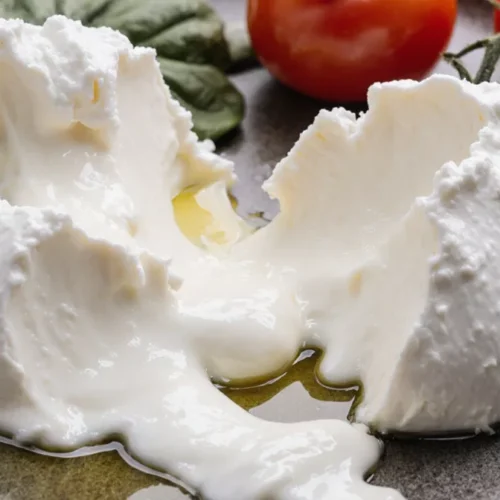
Burrata With Warm Tomatoes and Olive Oil
Ingredients
Main Ingredients
- 2 balls fresh burrata cheese
- 2 cups cherry tomatoes halved
- 2 tablespoons extra virgin olive oil
- 1 clove garlic thinly sliced
- Salt to taste
- Freshly ground black pepper
- Fresh basil leaves optional
- Crusty bread for serving, optional
Instructions
- Heat olive oil in a skillet over medium heat.
- Add garlic and sauté until fragrant, about 30 seconds.
- Add cherry tomatoes, season with salt and pepper, and cook for 3–4 minutes until just softened.
- Remove from heat and let cool slightly.
- Place burrata on a serving plate and spoon warm tomatoes and oil over the top.
- Garnish with basil and serve with crusty bread if desired.
Notes
Burrata Cheese With Warm Tomatoes and Olive Oil
Ingredients
Burrata cheese
Ripe tomatoes, gently warmed
Olive oil
Salt
Black pepper
Method
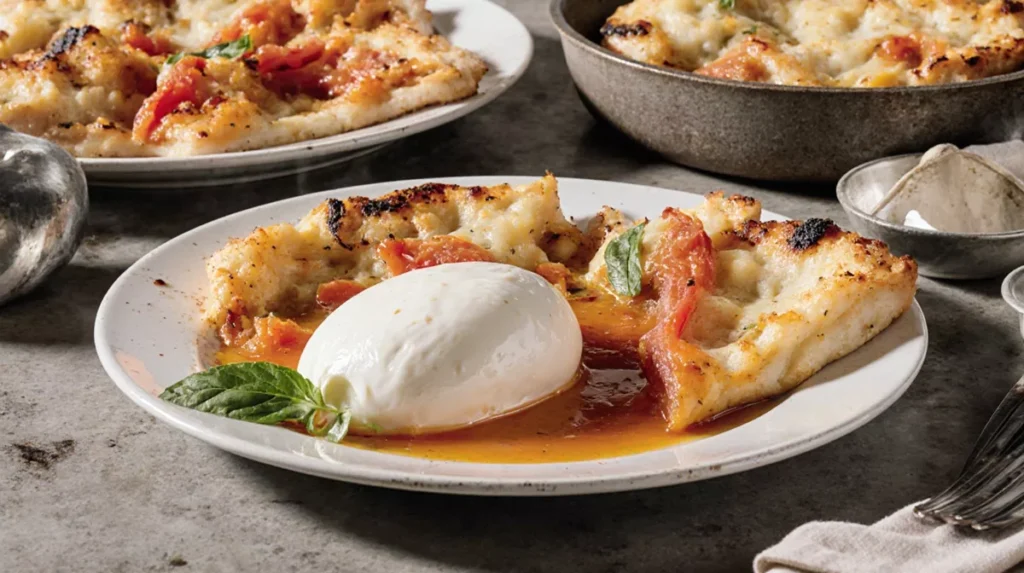
Warm the tomatoes just until they release some juice but still hold their shape. Spoon them onto a plate while they’re warm. Tear the burrata over the top, drizzle with olive oil, and season lightly. Let the warmth soften the cheese on its own.
Why this works
The tomatoes provide acidity and heat. The burrata softens without separating. The oil brings everything together. This dish teaches you how burrata cheese behaves, which makes every other use easier.
How Burrata Cheese Pairs With Common Ingredients
Once you understand how burrata behaves, pairing becomes intuitive.
With tomatoes, burrata softens sharpness and adds body. With roasted vegetables, it balances earthiness. With greens, it creates contrast. With eggs, it turns something simple into a full meal.
Herbs matter more than spices here. Fresh basil, parsley, and oregano support burrata without overpowering it. Heavy spice blends tend to fight with its subtlety.
Bread is one of the easiest companions. Toast provides texture and structure, giving burrata a base that makes sense in casual meals.
Sauces should already be seasoned before burrata is added. Once the cheese hits the plate, you’re past the point of heavy adjustment.
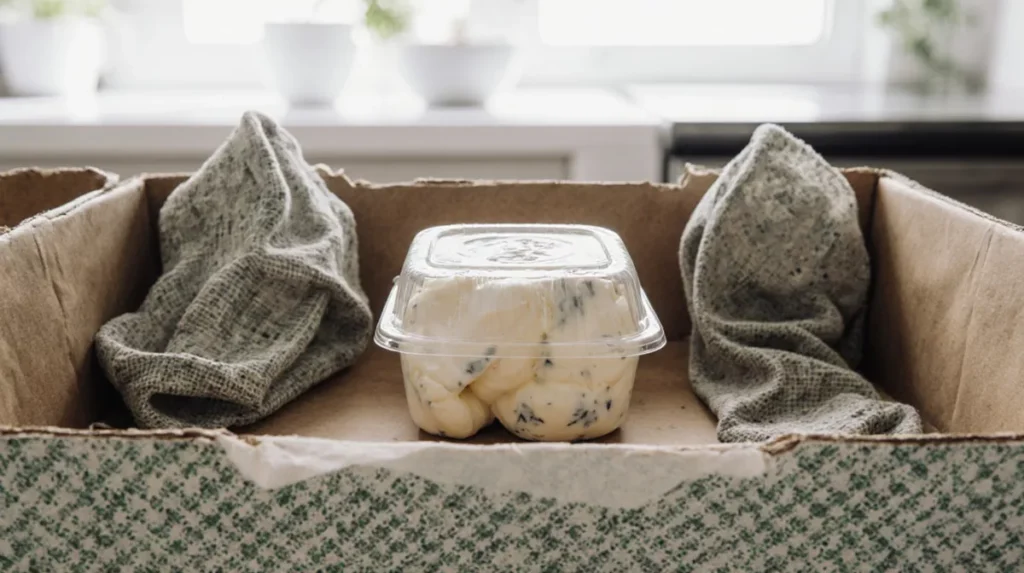
Buying Burrata Cheese Without Overthinking It
You don’t need to chase brands. Freshness matters more than anything else. Burrata cheese should feel plump, sit in liquid, and smell clean.
At home, keep it cold but don’t forget about it. Burrata doesn’t improve with time. Use it within a day or two of purchase.
Leftovers rarely hold up. Once opened, the texture changes quickly. In my kitchen, I plan meals around the whole piece and don’t try to save half for later.
Before serving, let burrata sit out briefly. This single step makes more difference than any seasoning trick.
Common Burrata Cheese Mistakes I See in Home Kitchens
Serving burrata straight from the fridge is the biggest issue. Cold burrata hides its flavor and dulls the texture.
Another mistake is over-seasoning before tasting. Burrata needs salt, but too much masks what makes it special.
Using burrata without contrast is another problem. Cream without acid or bitterness rarely works.
Finally, people try to force burrata into dishes where it doesn’t belong. Not every meal needs it. Burrata works best when it solves a problem, not when it’s added just because it’s there.
How Burrata Cheese Fits Into Everyday Cooking
Burrata cheese feels luxurious, but it fits naturally into everyday meals. It finishes dishes without adding steps. It turns simple food into something satisfying.
On busy nights, burrata goes on toast, over vegetables, or next to eggs. On slower days, it anchors a plate meant for sharing.
In my kitchen, burrata shows up when I want comfort without heaviness. It bridges casual and intentional cooking without demanding attention.
Practical Ways Burrata Cheese Shows Up on the Table
Fresh tomato plates highlight burrata’s softness.
Roasted vegetables benefit from its contrast.
Greens and fruit rely on it to round sharp flavors.
Eggs turn burrata into a meal.
Herb-forward dishes use it to soften intensity.
Bread-based meals keep things grounded and filling.
Warm sauces let burrata relax naturally.
Bold skillet dishes use it to tame spice.
These aren’t recipes here. They’re patterns you can apply.
Estimated Nutrition Overview
| Calories (kcal) | Protein (g) | Carbohydrates (g) | Fat (g) |
|---|---|---|---|
| 300 | 12 | 6 | 26 |
Values are estimates for a typical serving of burrata cheese with simple accompaniments. Portions and pairings will affect totals.
How do you eat burrata cheese?
Burrata cheese is best eaten at room temperature and served whole or gently torn. In everyday meals, it’s usually placed on finished food so the warmth softens the creamy center without cooking it directly.
What is the difference between burrata and mozzarella?
Mozzarella is firm and holds its shape, while burrata has a soft shell filled with cream. In real cooking, mozzarella melts and stretches, but burrata spreads and blends into a dish once it’s opened.
Is burrata cheese healthy?
Burrata cheese is rich and high in fat, so it works best in moderate portions. In balanced meals, a small amount often adds enough richness that you don’t need much else to feel satisfied.
Why does my stomach hurt after eating burrata?
Some people feel discomfort after eating burrata because it’s a rich dairy product. Pairing it with lighter ingredients and avoiding large portions can make it easier to enjoy.
Final Thoughts From My Kitchen
Burrata cheese doesn’t need tricks. It needs timing and balance. When you stop trying to cook it and start letting it respond to the dish, it becomes one of the most dependable ingredients you can keep on hand.
In real meals, burrata works because it adapts. It softens sharp edges, fills texture gaps, and makes simple food feel complete. Once you understand that, burrata stops feeling intimidating and starts feeling useful.