
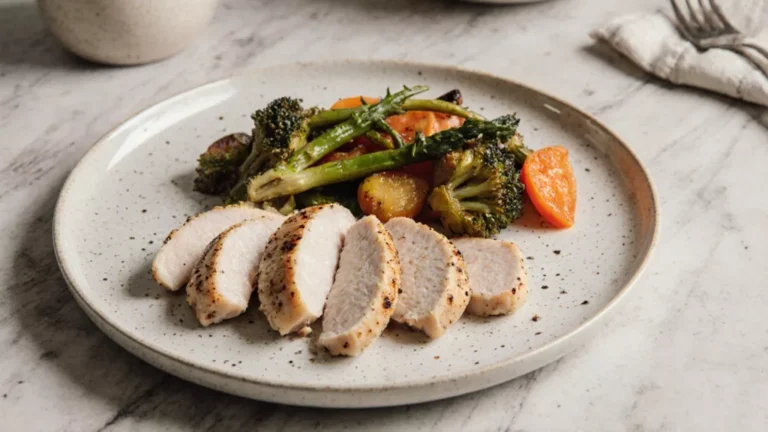
There is a moment when meals stop working the way they used to. You eat, feel full briefly, then crash. Hunger returns too fast, focus fades, and energy feels inconsistent. High protein low carb meals recipes exist for that exact phase, when reducing carbs slightly and increasing protein brings meals back under control.
In short, these meals prioritize protein while keeping carbohydrates lower, not eliminated. They matter because many people do not need more food. They need better structure. Protein provides that structure when carbs are no longer carrying the load on their own.
The key point is this: low carb is not about restriction. It is about rebalancing the plate so protein does more of the work.
What “Low Carb” Means in This Context
Low carb does not mean zero carb.
In practical terms, high protein low carb meals:
- Keep protein as the anchor
- Reduce carb-heavy fillers
- Use vegetables instead of refined grains
- Focus on balance instead of extremes
These meals still include carbohydrates, but in amounts that support energy without driving constant hunger.
Why Protein Becomes More Important When Carbs Are Lower
When carbohydrate intake drops, protein takes on a bigger role.
Protein:
- Slows digestion
- Supports satiety
- Helps meals feel complete
Without enough protein, low carb meals feel unsatisfying and hard to maintain. With enough protein, meals feel steady and predictable.
This is why high protein comes first, not low carb.
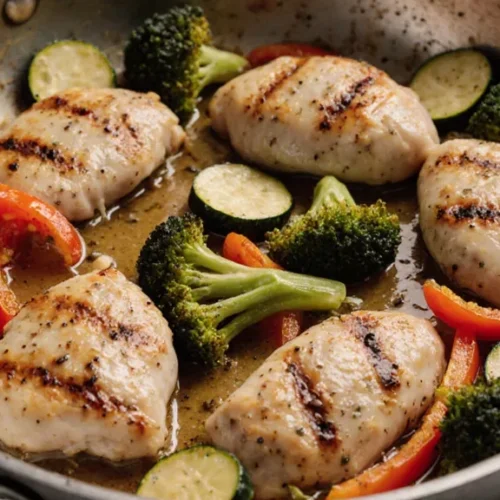
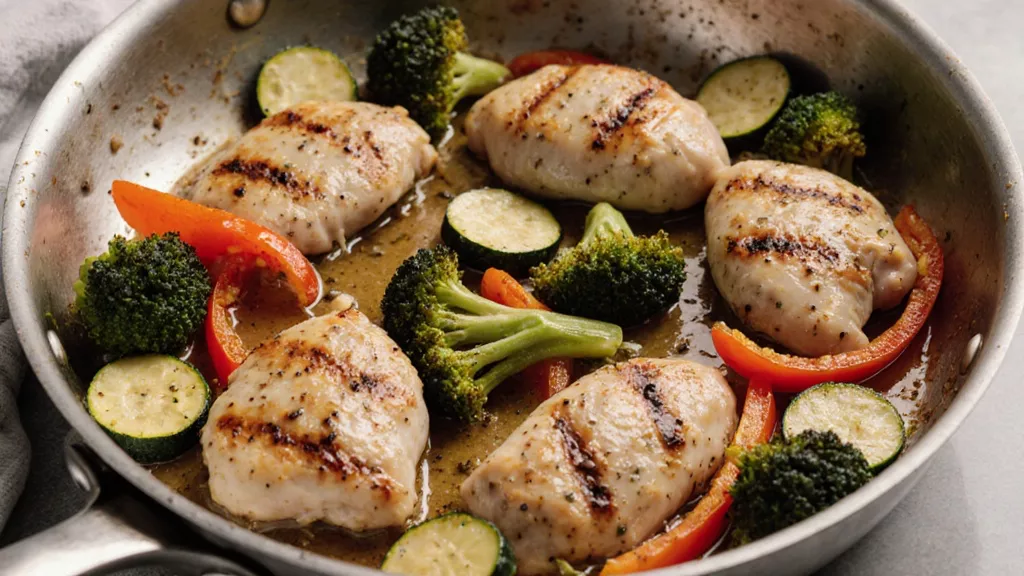
Low Carb Chicken & Veggie Protein Skillet
Ingredients
Main Ingredients
- 2 cups cooked chicken breast or thighs sliced
- 2 cups mixed low-carb vegetables zucchini, bell peppers, broccoli
- 1 tablespoon olive oil
- 1 clove garlic minced (optional)
- Salt to taste
- Black pepper to taste
- Soy sauce or lemon juice optional
Instructions
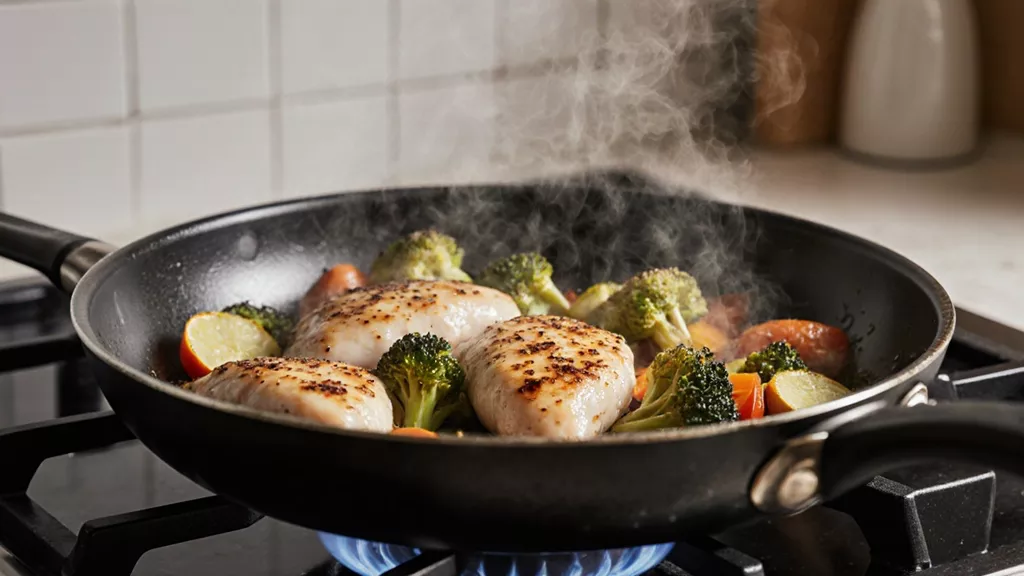
- Heat olive oil in a skillet over medium heat.
- Add vegetables and cook until tender but not soft.
- Add sliced chicken and warm through.
- Season with salt, pepper, and optional soy sauce or lemon.
- Serve hot.
Notes
Common Mistakes With Low Carb Meals
Low carb meals often fail for predictable reasons.
Cutting Carbs Without Increasing Protein
This leads to hunger and frustration.
Relying Only on Fat
Fat adds calories but does not always provide structure.
Treating Low Carb as All or Nothing
Extreme approaches rarely last.
High protein low carb meals recipes avoid these problems by keeping protein central and choices flexible.
The Rule That Keeps Low Carb Meals Sustainable
In my kitchen, low carb meals follow one rule.
Protein replaces volume, not carbs.
This means:
- Protein portions are intentional
- Vegetables provide bulk
- Carbs are used selectively
This rule keeps meals filling without relying on large portions of starch.
High Protein Low Carb Breakfast Meals
Breakfast is often where carb-heavy habits show up first.
Why Low Carb Breakfasts Feel Different
Reducing carbs at breakfast while increasing protein often leads to steadier mornings.
Common breakfast protein bases include:
- Eggs
- Cottage cheese
- Greek-style yogurt
- Tofu
Paired with vegetables or modest carb sources, these breakfasts support energy without spikes.

High Protein Low Carb Lunch Meals
Lunch is where structure matters most.
What a Low Carb Lunch Looks Like
A high protein low carb lunch usually includes:
- A clear protein portion
- Vegetables instead of grains
- Simple fats for flavor
These meals are easy to pack, reheat, or eat cold, making them practical during the day.
High Protein Low Carb Dinners
Dinner is often the easiest place to reduce carbs without effort.
Replacing large carb portions with:
- Vegetables
- Protein-focused plates
- Simple sides
Keeps meals satisfying without feeling restrictive.
Vegetables That Work Best in Low Carb Meals
Vegetables provide volume without heavy carbohydrate loads.
Common low carb-friendly vegetables include:
- Leafy greens
- Cruciferous vegetables
- Zucchini and similar options
They help meals feel complete while keeping carbs controlled.
How Portion Awareness Changes With Low Carb Meals
Low carb meals often self-regulate portions when protein is sufficient.
When protein is present:
- Hunger returns more predictably
- Snacking decreases
- Meals feel more controlled
This reduces the need for tracking or measuring.
How Low Carb Meals Fit Into the Bigger Protein System
High protein low carb meals are one variation within a larger protein-first framework.
The full system that connects different approaches to high protein eating is explained in the main guide on high protein meals.
This cluster focuses only on meals that reduce carbs while keeping protein high.
Who Benefits Most From High Protein Low Carb Meals
These meals often work well for people who:
- Feel hungry soon after eating carbs
- Experience energy crashes
- Prefer savory meals
- Want simpler plates
They are not mandatory. They are optional tools within a flexible system.
Common Pitfalls to Avoid Early On
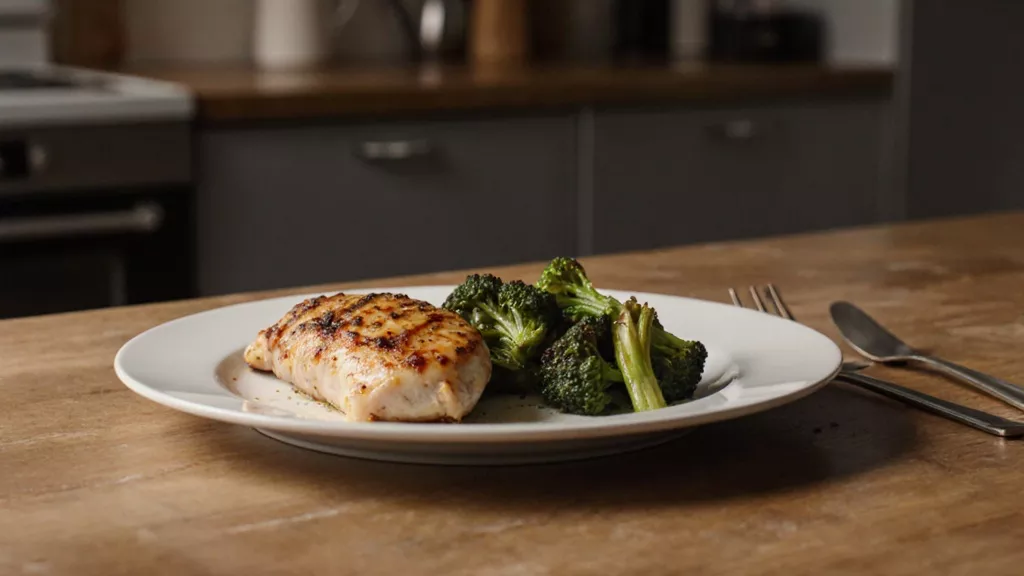
Low carb meals fail when:
- Protein portions are too small
- Meals rely only on fat
- Vegetables are ignored
Avoiding these keeps meals balanced and sustainable.
How to Plan a Week of High Protein Low Carb Meals
Low carb meals are easiest to maintain when planning stays simple. The mistake many people make is trying to remove carbs completely or plan too many variations at once.
In short, a sustainable low carb week starts by choosing a small number of protein sources and repeating them across meals.
The key point is consistency, not variety.
A Simple Weekly Low Carb Structure
A realistic structure for most people looks like this:
- One or two breakfast options
- Two lunches rotated during the week
- Two or three dinners repeated as needed
This keeps grocery lists short and meals predictable while maintaining a high protein focus.
Easy Low Carb Swaps That Actually Work
Low carb meals fail when swaps feel unnatural.
Practical Carb Swaps
Effective swaps include:
- Vegetables instead of grains
- Protein-based meals instead of carb-based meals
- Smaller carb portions instead of elimination
These swaps keep meals satisfying without making them feel restrictive.
How to Keep Low Carb Meals Satisfying
Removing carbs reduces bulk. Protein and vegetables need to replace that bulk intentionally.
The Satisfaction Check
A low carb meal stays satisfying when:
- Protein portions are adequate
- Vegetables provide volume
- Fats add flavor but do not dominate
When one of these is missing, meals feel incomplete.
Budget-Friendly High Protein Low Carb Meals
Low carb eating does not require expensive ingredients.
How to Keep Costs Down
Budget-friendly strategies include:
- Choosing affordable protein cuts
- Using frozen vegetables
- Repeating meals intentionally
- Avoiding specialty low carb products
Real food keeps both carbs and costs under control.
Eating Out While Staying Low Carb and High Protein
Eating out does not require perfection.
Simple Ordering Strategy
When eating out:
- Choose a protein-based entrée
- Ask for vegetables instead of heavy sides
- Avoid worrying about small amounts of carbs
This approach keeps meals aligned without stress.
Common Low Carb Mistakes That Cause Burnout
Certain mistakes repeat often.
Cutting Carbs Too Aggressively
This leads to low energy and frustration.
Ignoring Vegetables
Vegetables provide volume and balance.
Relying Too Heavily on Fat
Fat adds calories but not structure.
Avoiding these keeps meals sustainable.
How Long to Follow a Low Carb Approach
Low carb eating does not need a fixed timeline.
Some people use it:
- Short term
- On busy weeks
- During periods of low activity
Others use it long term.
The system remains flexible.
How This Cluster Fits the Bigger Protein Framework
High protein low carb meals are one variation within a broader protein-first approach.
Other clusters focus on speed, work meals, no-cook options, and budget strategies. This one shows how protein-first eating adapts when carbs are reduced intentionally.
Each approach works independently and together.
A Clear Summary of High Protein Low Carb Meals Recipes
High protein low carb meals recipes focus on protein first while keeping carbohydrates lower, not eliminated.
In short:
- Protein anchors the meal
- Vegetables replace bulk from carbs
- Fats support flavor, not volume
- Consistency matters more than strict rules
This means low carb eating becomes manageable instead of exhausting.
What meals are high in protein and low in carbs?
Meals that are high in protein and low in carbs usually center on a clear protein source with vegetables instead of grains. Examples include protein paired with leafy greens, roasted vegetables, or simple sides that are not starch-based. These meals work best when protein is the main component and carbohydrates are kept secondary rather than eliminated.
What is a high protein meal without carbs?
A high protein meal without carbs typically includes protein with non-starchy vegetables or simple fats. While most foods contain some carbohydrates naturally, meals built around protein and vegetables can be very low in carbs. High protein low carb meals recipes focus on reducing carb-heavy ingredients rather than aiming for absolute zero.
What food has a lot of protein but no carbs?
Many protein-rich foods contain little to no carbohydrates, especially animal-based proteins. Foods like eggs, certain dairy products, and plain protein sources are naturally low in carbs. Some plant-based proteins also remain low in carbs depending on preparation. These foods are commonly used as the base for high protein low carb meals.
Can you lose weight by eating high protein low-carb?
Some people find that eating high protein and lower carb helps them feel fuller and manage portions more easily. Weight change depends on many factors, including overall intake, consistency, and lifestyle. High protein low carb meals can support structured eating, but results vary from person to person.
Final Thoughts on High Protein Low Carb Eating
High protein low carb meals are not about cutting food out. They are about shifting the balance of the plate.
When protein does more of the work, meals feel steadier, hunger becomes predictable, and energy improves. By keeping choices simple and repeatable, low carb eating fits into real life instead of fighting it.
That is how structure replaces restriction and makes meals sustainable.
thank you