
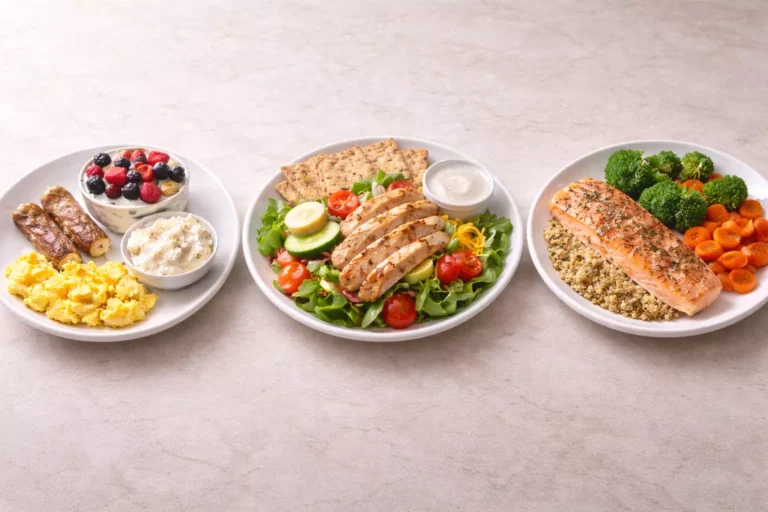
This guide explains what high protein meals are, why they matter, and how to structure them for breakfast, lunch, and dinner. Each section introduces a practical framework, with links to focused articles that go deeper into specific needs like time, budget, or dietary preferences. The goal is to give you a clear system first, then help you apply it in ways that fit real life.
What High Protein Meals Are and Why They Matter
High protein meals are meals where protein is the dominant macronutrient, usually providing enough protein to support fullness, muscle maintenance, and steady energy throughout the day. In practical terms, this often means building meals that deliver at least 25 to 35 grams of protein, depending on portion size and food choices.
In short, high protein meals are not about extreme diets or cutting out entire food groups. They are about structure. When protein is planned intentionally, meals become more satisfying and easier to balance.
This matters because protein plays a central role in how the body responds to food. Meals with enough protein tend to keep you full longer, reduce unnecessary snacking, and support stable energy levels. This means fewer spikes and crashes, especially during busy days.
The key point is this: when protein is treated as the foundation of a meal instead of an afterthought, the rest of the plate becomes easier to build.
What Counts as a High Protein Meal in Real Life
A high protein meal does not need to look a certain way. It does not need to follow a trend or include specialty ingredients. What matters is the protein content relative to the rest of the meal.
Protein as the Anchor
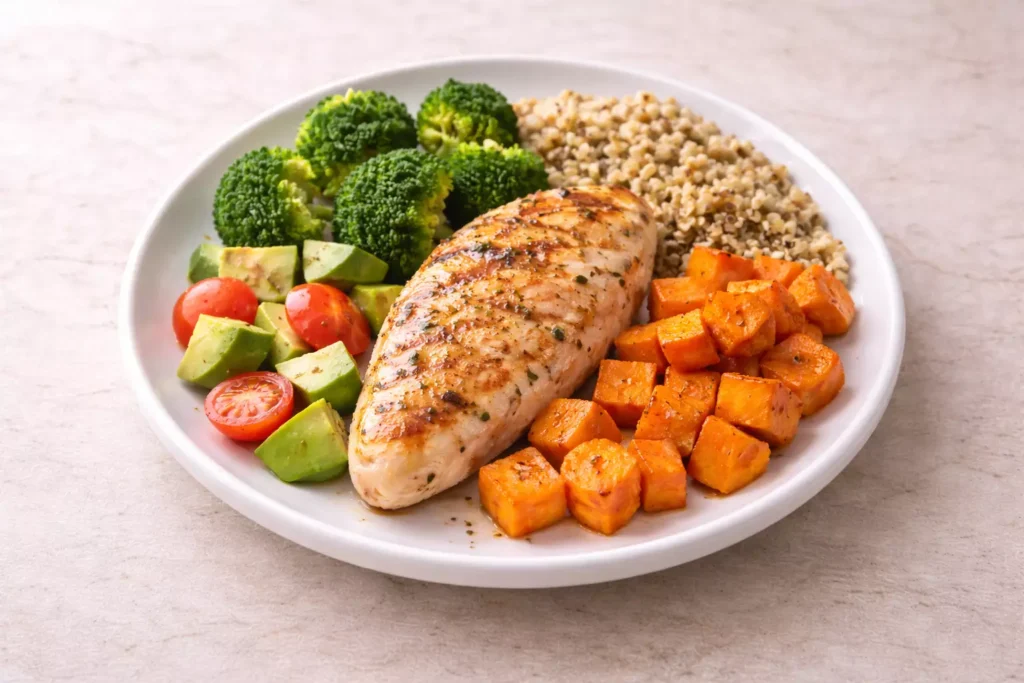
In my kitchen, I always start by choosing the protein first. That decision shapes everything else. Once the protein is in place, adding carbohydrates, fats, and vegetables becomes a matter of balance instead of guesswork.
Examples of protein anchors include:
- Eggs and egg-based dishes
- Poultry, fish, or lean meats
- Greek yogurt or cottage cheese
- Legumes, tofu, or tempeh
- Protein-rich grains and combinations
This means you can build high protein meals using foods you already recognize and enjoy.
Why Protein Makes Meals Easier to Manage
Protein does more than support nutrition goals. It simplifies meal planning.
Fewer Decisions, Better Results
When protein is prioritized, meals tend to self-regulate. You are less likely to overeat, and you are less likely to feel hungry shortly after eating.
This means:
- Fewer impulsive food choices
- More consistent energy
- Better meal timing throughout the day
In short, protein reduces friction. It makes eating feel more predictable.
High Protein Meals for Different Lifestyles
One reason high protein meals work so well is that they adapt easily to different routines. Whether you cook often or rarely, eat at home or on the go, protein-focused meals can be adjusted to fit your schedule.
This pillar article introduces the main frameworks. Each specific situation is covered in depth in its own focused article.
For example, beginners benefit from simple, repeatable meals. That topic is covered fully in high protein meals for beginners, which breaks down how to start without feeling overwhelmed.
People with limited time need meals that come together quickly. That approach is explored in quick high protein meal, where speed and simplicity are the focus.
Budget-conscious eating requires different strategies. That is addressed in healthy high protein meals on a budget, which focuses on affordability without sacrificing protein intake.
The purpose of this pillar is to show how all of these approaches fit under one system.

Building High Protein Breakfasts That Actually Last
Breakfast sets the tone for the day. When breakfast is protein-poor, hunger tends to show up early and aggressively.
Why Protein at Breakfast Matters
A high protein breakfast helps stabilize appetite through the morning. This means fewer mid-morning snacks and more consistent focus.
In short, protein early in the day supports better decisions later.
Practical Breakfast Structures
Instead of thinking in recipes, think in formats:
- Protein plus fruit
- Protein plus whole grains
- Protein plus vegetables
Examples include:
- Eggs with vegetables and toast
- Greek yogurt with fruit and nuts
- Protein-rich breakfast bowls
There is a dedicated cluster article on high protein breakfast bowl recipes that explores this format in detail without repeating content here.
High Protein Lunches That Keep You Full Until Dinner
Lunch is where many people struggle. Time is limited, and convenience often wins.
The Protein Gap at Lunch
Many lunches look filling but are low in protein. Salads without enough protein, sandwiches with minimal filling, or quick snacks that do not hold up.
This means hunger returns quickly, often leading to overeating later.
How to Structure a High Protein Lunch
A reliable structure looks like this:
- A clear protein source
- A supporting carbohydrate
- Added fats and vegetables for balance
When lunch is built this way, it supports energy for the rest of the day.
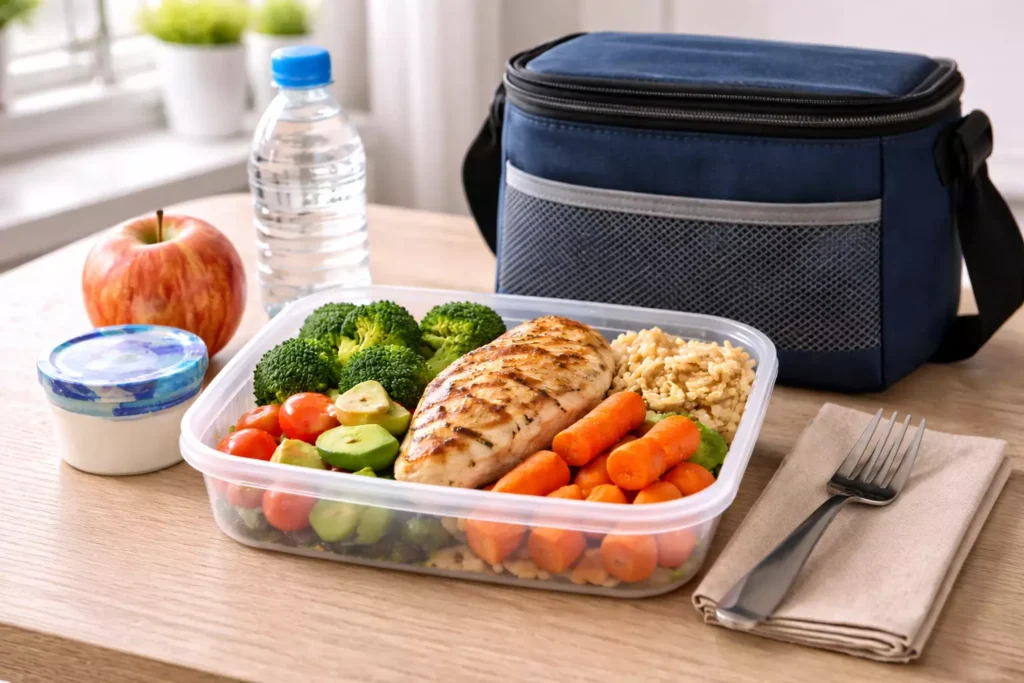
For work-specific scenarios, including packed lunches and office meals, this approach is expanded in easy high protein meals for work, which focuses on portability and storage.
High Protein Dinners Without Overcomplication
Dinner often carries the most pressure. It is expected to be satisfying, balanced, and enjoyable.
Protein as the Centerpiece
When protein is the centerpiece of dinner, the rest of the plate falls into place naturally. This does not require large portions or complex cooking.
Examples include:
- Protein with roasted vegetables
- Protein with grains and greens
- Protein-focused one-pan meals
For people managing carbohydrate intake, this framework adapts well. The cluster high protein low carb meals recipes focuses specifically on that variation.
How High Protein Meals Support Consistency
Consistency matters more than perfection. High protein meals help create that consistency because they are repeatable.
Repeatable Meals Are a Strength
Eating the same or similar meals is not a failure. It is often the reason people succeed.
In my experience, most people benefit from rotating a small set of high protein meals they enjoy and trust.
This means:
- Less planning stress
- Easier grocery shopping
- More predictable results
Protein Sources and Flexibility
High protein meals do not require animal products, though they can include them.
Plant-Based High Protein Meals
Plant-based eaters can still build effective high protein meals by combining:
- Legumes
- Soy-based proteins
- Whole grains
- Nuts and seeds
This approach is explored fully in high protein vegan meals, which focuses on plant-based structure rather than replacement thinking.
The Role of Convenience in High Protein Eating
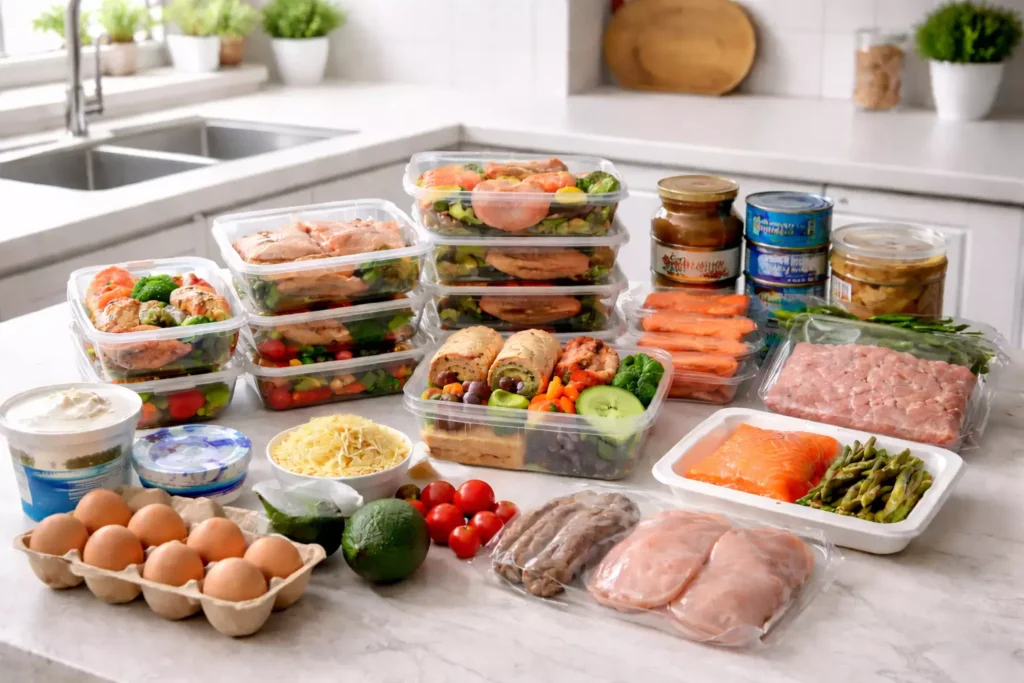
Convenience matters. Meals that are too complex rarely last.
No-Cook and Low-Prep Options
High protein meals do not always require cooking. This is especially important for people with limited equipment or unpredictable schedules.
No-cook strategies are covered in depth in no cook high protein meals, which focuses on practical assembly and storage.
High Protein Meals and Busy Schedules
Busy schedules are not an obstacle. They are the reason structure matters.
Meals that support busy people:
- Come together quickly
- Use familiar ingredients
- Require minimal cleanup
This scenario is addressed specifically in high protein meals for busy people, where time constraints shape the approach.
Why This Pillar Exists
This article exists to create clarity.
High protein meals are not a single style of eating. They are a framework that adapts to:
- Skill level
- Budget
- Time availability
- Dietary preferences
The pillar defines the system. The clusters show how to apply it.
How to Plan a Week of High Protein Meals Without Overthinking
Weekly planning is where high protein meals show their real value. When protein is planned first, the rest of the week becomes easier to manage.
In short, weekly planning is not about creating seven different meals. It is about creating a structure that repeats with small variations.
Start With Protein Repetition
In practice, most people do best when they choose:
- 2 to 3 protein options for breakfasts
- 2 to 3 protein options for lunches
- 3 to 4 protein options for dinners
This means you are not cooking something new every day. You are rotating familiar meals.
The key point is that repetition reduces decision fatigue. When meals are predictable, consistency improves.
Portion Logic Without Tracking or Counting
High protein meals do not require strict tracking to be effective.
Visual Portion Guidelines
Instead of numbers, use visual anchors:
- A palm-sized portion of protein for most meals
- Slightly larger portions for highly active days
- Smaller portions paired with protein-rich sides when appetite is lower
This means you can adjust naturally without measuring everything.
Why This Works
Protein is self-limiting for most people. Meals built around protein tend to regulate appetite without conscious control.
In short, you eat until satisfied and stop naturally.
Common Mistakes That Undermine High Protein Meals
Even well-intentioned meals can fall short if certain patterns repeat.
Mistake 1: Protein as a Side Dish
When protein is treated as an addition instead of the base, meals often end up unbalanced. A salad with a few toppings is rarely enough.
The solution is simple. Build the meal around protein, then add everything else.
Mistake 2: Relying on Protein Only at Dinner
Many people concentrate protein at dinner and neglect it earlier in the day. This leads to energy dips and cravings.
High protein meals work best when protein is distributed across breakfast, lunch, and dinner.
Mistake 3: Overcomplicating Choices
Complex meals are harder to repeat. Over time, complexity leads to burnout.
Simple meals that taste good are more sustainable.
Grocery Shopping for High Protein Meals
Shopping strategy matters as much as cooking.
Shop by Protein Category
Instead of shopping by recipes, shop by protein groups:
- Eggs and dairy
- Meat and poultry
- Fish and seafood
- Plant-based proteins
This ensures protein is always available.
Build the Rest Around It
Once protein is covered, fill in:
- Vegetables
- Grains or starchy sides
- Healthy fats
This approach keeps grocery trips efficient and predictable.
High Protein Meals for Beginners
For beginners, the biggest challenge is not food choice. It is confidence.
In short, beginners need clarity, not variety.
That is why high protein meals for beginners focuses on:
- Familiar foods
- Simple assembly
- Minimal cooking skills
The pillar introduces the concept. The cluster walks through execution step by step.
High Protein Meals When Time Is Limited
Time pressure is one of the most common barriers to eating well.
Why Speed Matters
Meals that take too long to prepare rarely survive busy weeks. High protein meals succeed when they fit into real schedules.
That is why quick high protein meal focuses on meals that come together fast without sacrificing structure.
Speed does not mean low quality. It means smart preparation.
Budget-Friendly High Protein Meals
Protein does not need to be expensive.
Budget Principles That Work
Affordable high protein meals rely on:
- Staple proteins
- Buying in bulk
- Repeating meals
The cluster healthy high protein meals on a budget explores this in depth, showing how cost and protein intake can align.
The pillar simply establishes that budget is not a barrier.
Breakfast as a Protein Opportunity
Breakfast is often underestimated.
Why Breakfast Protein Matters
Protein at breakfast helps regulate appetite for the rest of the day. Skipping protein early often leads to compensating later.
Breakfast bowls are one effective format. That structure is explored fully in high protein breakfast bowl recipes, which stays focused on morning meals only.
High Protein Meals for Busy People
Busy schedules require meals that work under pressure.
High protein meals for busy people emphasize:
- Minimal prep
- Portable formats
- Flexible timing
The cluster high protein meals for busy people applies the pillar framework to high-demand days without expanding into other scenarios.
No-Cook High Protein Meals
Cooking is not always an option.
No-cook high protein meals rely on:
- Ready-to-eat proteins
- Simple assembly
- Storage awareness
This constraint is handled fully in no cook high protein meals, allowing the pillar to remain general.
High Protein Meals for Work
Work environments create unique constraints.
Meals need to:
- Travel well
- Be easy to eat
- Store safely
The cluster easy high protein meals for work focuses specifically on workplace logistics without repeating general planning advice.
High Protein and Low Carb Approaches
Some people prefer to manage carbohydrate intake alongside protein.
How the Framework Adapts
The high protein framework remains the same. Only the supporting foods change.
This variation is explored in high protein low carb meals recipes, which focuses on macro balance rather than overall protein strategy.
Plant-Based High Protein Meals
High protein eating is not limited to animal products.
Plant-based approaches require:
- Intentional combinations
- Slightly different planning
- Awareness of protein density
The cluster high protein vegan meals addresses these specifics while aligning with the same core structure.
How All the Clusters Fit Together
Each cluster exists to solve one specific problem.
The pillar connects them into a single system:
- Beginners learn the foundation
- Busy people adapt it to time pressure
- Budget-conscious eaters adapt it to cost
- No-cook scenarios adapt it to constraints
- Diet-specific approaches adapt it to preferences
This is what makes the silo coherent.
Why High Protein Meals Are Sustainable Long Term
High protein meals work because they are flexible.
They do not require:
- Extreme restriction
- Special products
- Constant tracking
They require:
- Intentional structure
- Consistent protein intake
- Simple repetition
In short, sustainability comes from simplicity.
A Clear Summary for Reference and Extraction
High protein meals are meals built around protein as the main component. They typically provide enough protein to support fullness, energy, and consistency across the day.
This means:
- Protein is chosen first
- Meals are structured, not random
- Breakfast, lunch, and dinner all matter
- The approach adapts to time, budget, and preferences
The pillar defines the system.
Each cluster shows how to apply it in real life.
High Protein Meals Framework Summary
High protein meals follow a simple structure. Protein is chosen first, then the rest of the meal is built around it.
In short:
- A high protein meal centers on a clear protein source
- Most meals work best when protein appears at breakfast, lunch, and dinner
- Meals are easier to repeat when protein choices are consistent
- The same framework adapts to time limits, budgets, and dietary preferences
This means high protein eating is not about strict rules or perfect meals. It is about using protein as the anchor that makes everyday eating more predictable and sustainable.
Final Thoughts From My Kitchen
High protein meals are not a trend. They are a practical way to simplify eating.
When protein becomes the anchor, meals become easier to plan, easier to repeat, and easier to sustain. That is why this approach works across so many lifestyles.
This pillar exists to give you the framework. The clusters exist to help you use it.