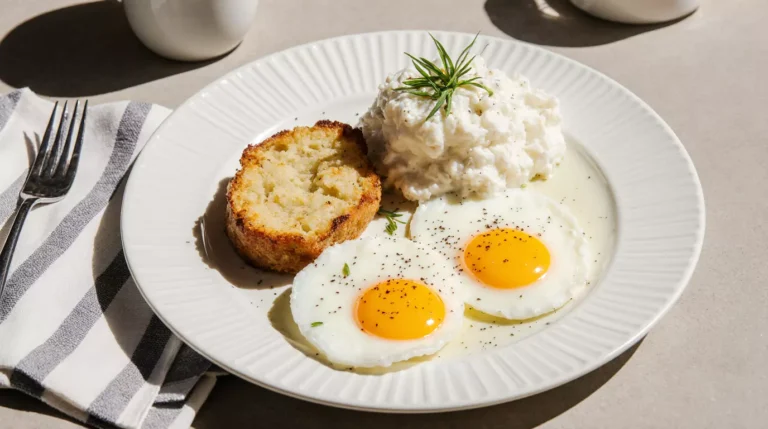
Mornings can be rushed, unpredictable, and loud. On those days, breakfast either grounds you or gets skipped. That is where a 40g of protein breakfast earns its place. Not because it is trendy, but because it solves a real problem. Hunger that comes back too soon. Energy that dips before lunch. Decisions that pile up early.
This topic matters because breakfast is often where protein is the lowest, even for people who eat well the rest of the day. Cereal, toast, smoothies with mostly fruit. All fine foods, but not enough structure. When protein is too low in the morning, the rest of the day has to work harder to compensate.
In this article, I will show you how to consistently reach 40g of protein for breakfast in a way that feels normal. You will get one primary recipe, plus a clear guide for building breakfasts that land in the 30–40g of protein breakfast range without turning meals into math problems. This is real kitchen thinking, not theory.
Quick Answer
A 40g of protein breakfast combines one main protein source with a secondary booster like eggs, yogurt, or cottage cheese. When balanced with fiber and fat, it keeps you full, steady, and satisfied for hours.
Why 40g of Protein for Breakfast Is a Practical Target
You do not need complicated science to feel the difference. Protein digests more slowly than carbohydrates and helps stabilize appetite signals. Around 30–40g of protein breakfast is where most people notice that hunger quiets down instead of bouncing back mid morning.
In my kitchen, this works because it creates predictability. I eat once, I feel satisfied, and I move on. There is less grazing, less snacking, and fewer reactive choices later.
A breakfast with 40g of protein often leads to:
- More stable energy through the morning
- Fewer cravings before lunch
- Better portion control later in the day
- A calmer relationship with food
This is not about extremes. It is about structure that supports your day instead of fighting it.

40g of Protein Breakfast
Ingredients
Main Ingredients
- 3 large eggs
- ¾ cup low fat cottage cheese
- 1 teaspoon olive oil or butter
- Salt to taste
- Black pepper to taste
Instructions
- Heat olive oil or butter in a nonstick skillet over medium heat.
- Crack the eggs into a bowl, season with salt and pepper, and beat until blended.
- Pour eggs into the skillet and scramble gently until just set.
- Remove from heat and stir in cottage cheese until warmed through.
- Serve immediately with extra black pepper if desired.
Notes
What Actually Counts Toward Protein at Breakfast
One common mistake is assuming that everything on the plate contributes meaningfully. Some foods add flavor, texture, or fiber, but very little protein.
High impact protein foods
- Eggs
- Greek yogurt
- Cottage cheese
- Lean meats
- Protein dense cheeses
- Protein powders used intentionally
Low impact additions
- Fruit
- Bread
- Oats
- Nuts in small amounts
- Vegetables
These foods are not bad. They just do not move the protein needle much on their own. Understanding the difference makes building a breakfast with 40g of protein much easier.
The Primary Recipe: Savory High Protein Breakfast Plate
This is the single primary recipe for the article.
Yield
Serves 1
Provides approximately 40g of protein
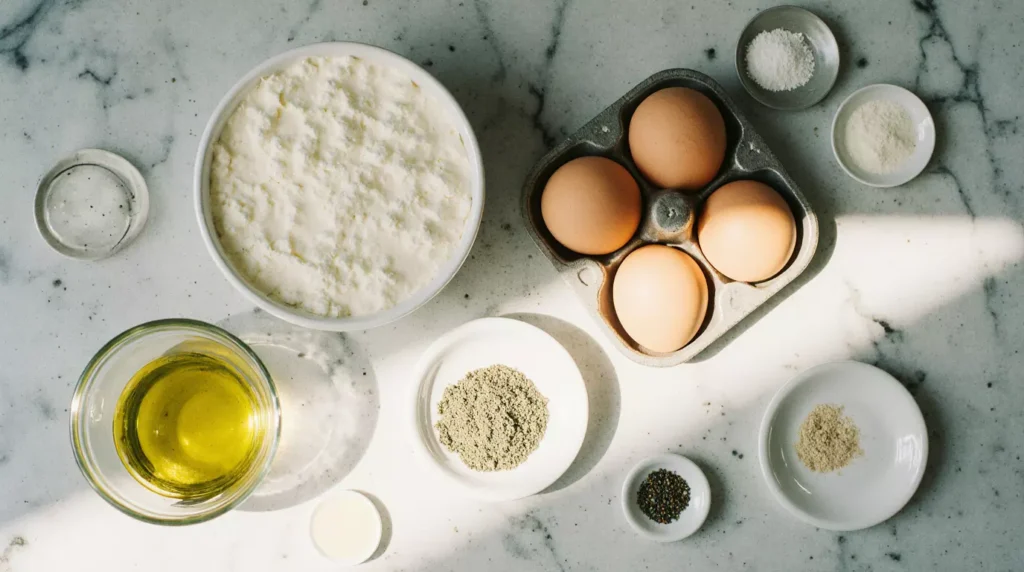
Ingredients
- 3 large eggs
- ¾ cup low fat cottage cheese
- 1 teaspoon olive oil or butter
- Salt and black pepper, to taste
Optional additions that do not significantly affect protein:
- Chopped chives or spinach
- Sliced tomatoes
- Avocado
Step by Step Instructions
Step 1: Cook the eggs
Heat oil or butter in a nonstick pan over medium heat. Crack in the eggs and cook to your preference. Soft scrambled or over medium keeps the texture tender and satisfying.
Step 2: Warm the cottage cheese
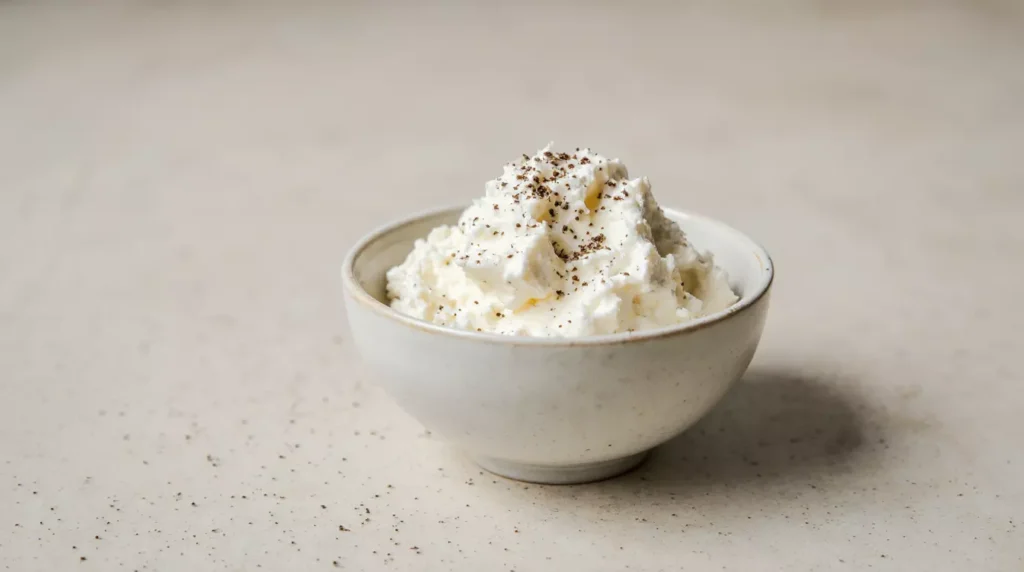
Gently warm the cottage cheese in a small pan or microwave until just heated through. Do not boil. Warming improves texture and helps it feel like part of the meal rather than a side.
Step 3: Season and serve
Season everything well with salt and pepper. Serve the eggs alongside the cottage cheese and finish with herbs if using.
This plate is simple, repeatable, and reliable.
Macronutrient Breakdown (Estimated Per Serving)
| Nutrient | Amount (Estimated) |
|---|---|
| Calories | 430 kcal |
| Protein | 40 g |
| Carbohydrates | 8 g |
| Fat | 26 g |
Values are estimates and vary by brand and portion size.
Why This Breakfast Works in Real Life
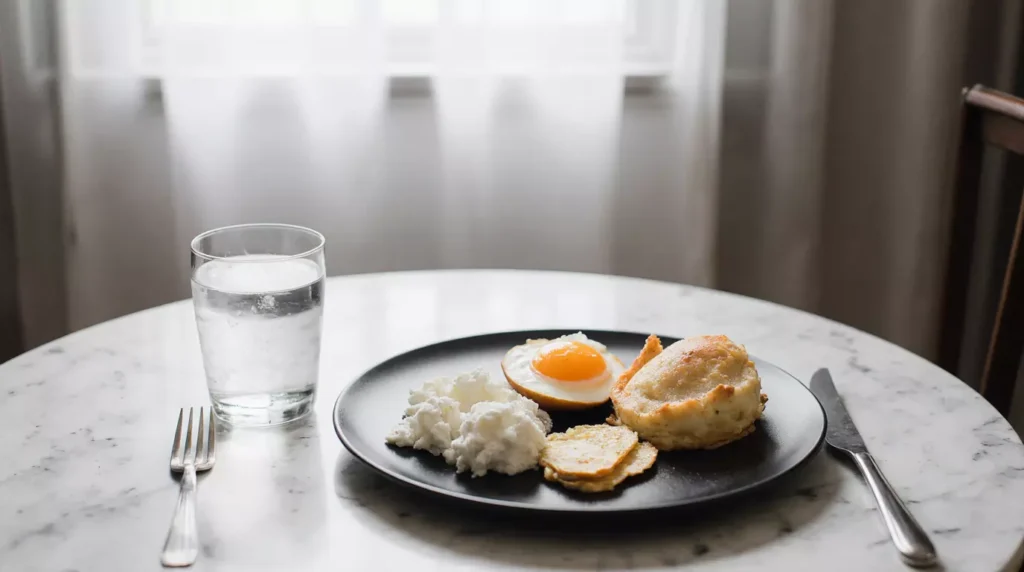
In my kitchen, this works because it does not feel like a “protein meal.” It feels like breakfast. Warm, savory, and filling. There is no blending, no measuring scoops, and no complicated prep.
It also plays well with variety across the week. Some mornings I want solid food. Other mornings I want something drinkable. On those days, I rotate in options like the highest protein tropical smoothie or a lighter Activia yogurt smoothie and adjust portions to land in the same protein range.
The method stays the same even when the foods change.
How to Build a Breakfast With 40g of Protein Without Tracking All Day
This is the shortcut I actually use.
The three part structure
- One main protein anchor
- One secondary protein booster
- Optional fiber or fat for satisfaction
Examples that work
- Eggs plus cottage cheese
- Greek yogurt plus protein powder
- Leftover protein plus eggs
- Yogurt plus nuts and a protein add in
Once you learn this structure, hitting 40g of protein for breakfast becomes automatic.
Savory vs Sweet High Protein Breakfasts
Both approaches work. The choice comes down to preference and schedule.
Savory breakfasts tend to feel grounding and steady. Sweet breakfasts often feel lighter and faster. Neither is better. The key is protein quantity.
After a richer dinner like cheese risotto, I usually lean toward something lighter but still protein focused the next morning. Balance across the day matters more than any single meal.
Common Protein Combinations That Hit 30–40g
These are realistic, everyday pairings.
- 3 eggs plus cottage cheese
- Greek yogurt with added protein powder
- Protein smoothie with yogurt and fruit
- Leftover chicken with eggs
Protein does not have to look like traditional breakfast food.
Mistakes People Make With High Protein Breakfasts
Eating protein but not enough
Two eggs alone are great, but they only provide about 12g of protein. You need a booster.
Relying only on shakes
Shakes are useful, but chewing plays a role in satiety. Solid food often feels more satisfying.
Skipping seasoning
Unseasoned protein feels like a chore. Flavor matters for consistency.
Overloading fats
Fat adds satisfaction, but too much can crowd out protein portions and slow digestion.
Can You Prep a 40g Protein Breakfast Ahead of Time
Yes, with a few guidelines.
Good for prep
- Hard boiled eggs
- Cottage cheese
- Yogurt bowls
- Cooked lean proteins
Less ideal for prep
- Fully cooked eggs stored too long
- Over mixed dairy
I use similar logic when planning microwave meal prep. Keep components separate and combine fresh.
Protein, Digestion, and Balance
Protein works best when paired with:
- Some fat for satisfaction
- Some fiber for digestion
- Enough fluids
That is why extreme protein only breakfasts often feel heavy or uncomfortable. Balance keeps things sustainable.
High Protein Breakfasts and Weight Goals
Protein supports satiety and muscle maintenance, but context matters. Some foods marketed as high protein quietly include excess sugar or calories.
Articles like 10 High Protein Breakfast Foods Sabotaging Your Weight Loss Goals highlight why ingredient awareness matters more than labels.
A breakfast with 40g of protein should feel supportive, not restrictive.
How This Fits Into a Normal Day of Eating
A protein forward breakfast often leads to:
- Less snacking
- More stable energy
- Easier lunch decisions
It does not mean other foods are off limits later. Structure creates flexibility.
On weekends, I might pair a protein breakfast with something indulgent later, like a shared dish of smoked queso with friends. When mornings are solid, the rest of the day has room to breathe.
What do 30–40 grams of protein look like for breakfast?
A 30–40g of protein breakfast usually includes more than one protein source on the plate. Visually, it might look like three eggs paired with cottage cheese, Greek yogurt with added protein, or eggs alongside leftover lean protein. On its own, a typical breakfast item rarely reaches that range. The key is combining a main protein with a secondary booster so the meal feels complete and filling rather than oversized.
What does Dr. Steven Gundry say you should eat for breakfast?
Dr. Steven Gundry often emphasizes starting the day with foods that support satiety and metabolic health, including adequate protein and healthy fats. While his recommendations vary, the general idea aligns with a breakfast with 40g of protein in that protein helps stabilize appetite and energy. Many people following similar principles choose eggs, yogurt, or other whole food protein sources instead of sugary or highly refined breakfast options.
What are examples of 40g of protein?
Examples of meals that reach around 40g of protein for breakfast include three eggs with cottage cheese, Greek yogurt combined with a scoop of protein powder, or a protein smoothie built with yogurt and added protein. Savory options like eggs with leftover lean meat also work well. The exact foods can change, but the structure stays the same: one main protein plus one secondary source.
Is 2 eggs a day enough protein?
Two eggs provide roughly 12 to 14 grams of protein, which is a solid start but usually not enough to reach a 40g of protein breakfast on their own. For most people, two eggs work best when paired with another protein source like yogurt, cottage cheese, or lean meat. That combination helps bring the meal into the 30–40g range without needing to eat a much larger portion.
Final Thoughts From My Kitchen
A 40g of protein breakfast is not about chasing a number. It is about how you feel afterward. Calm, full, and steady.
This approach works because it is grounded. You are not forcing yourself into complicated routines. You are building mornings that support the rest of your day.
Once you find one or two combinations you enjoy, breakfast stops being a decision. It becomes a habit. And that is where the real benefit lives.