
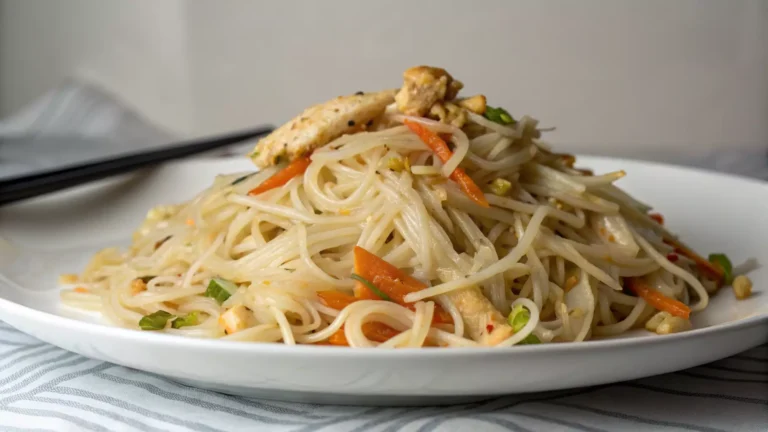
Rice noodles look easy until they are not. One minute they seem fine, the next they are clumped together, broken, or oddly mushy. Most people blame the noodles. In reality, rice noodles are doing exactly what they are supposed to do. The problem usually comes from how they are handled.
I learned this the hard way. I treated noodles like pasta, boiled them aggressively, drained them late, and wondered why they never behaved. Once I stopped forcing them into the wrong method, everything changed. Rice noodles are not fragile, but they are specific. When you respect that, they become one of the most reliable ingredients in the kitchen.
This guide focuses on what actually works at home. Not restaurant shortcuts. Not theory. Just practical methods that keep rice noodles flexible, separate, and ready for whatever you plan to cook next.
Why Rice Noodles Behave Differently From Wheat Noodles
Noodles are made from rice flour and water. There is no gluten to give them elasticity or forgiveness. That means they absorb water quickly and soften fast. Once they pass the right point, there is no going back.
This is why boiling rice noodles the same way you boil spaghetti usually ends badly. High heat and excess movement cause the noodles to release surface starch too quickly. That starch is what turns a bowl of rice noodles into a sticky mass.
Thickness also matters. Thin rice vermicelli behaves very differently from wider flat rice noodles. A single method cannot cover them all, which is where most frustration starts.
Understanding this difference is the foundation of every rice noodles recipe that actually works.
The Biggest Mistake People Make With Rice Noodles
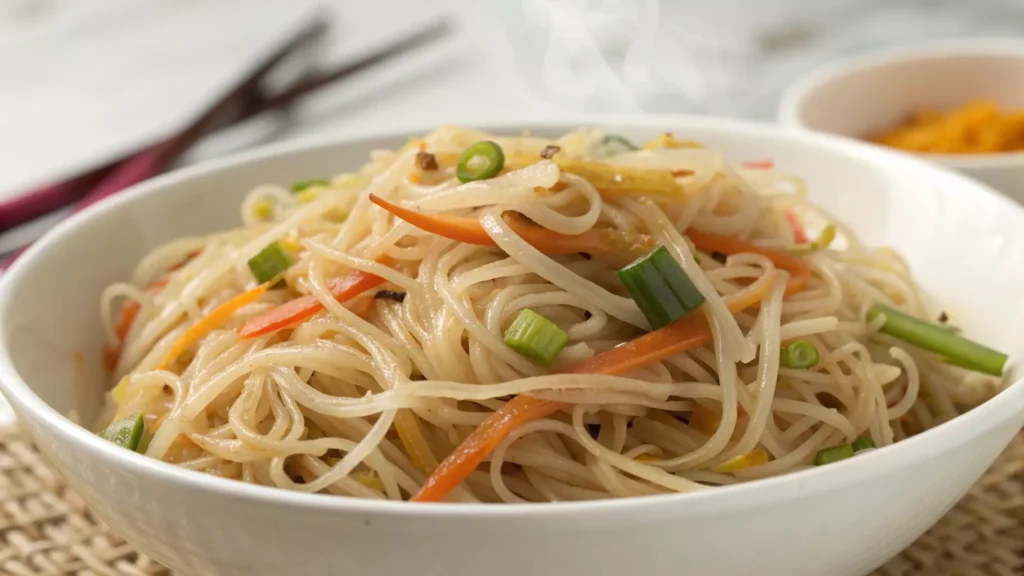
The most common mistake is overcooking, but the real issue is timing rather than heat. Rice noodles continue to soften even after they leave the water. If you wait until they feel fully cooked in the bowl or pot, they will be overdone by the time they reach the pan.
Another mistake is rinsing them aggressively. While a light rinse can help in some cases, blasting rice noodles under cold water washes away surface structure and leaves them fragile. This is especially true if you plan to stir fry them afterward.
This same principle applies to other delicate ingredients that rely on texture more than structure. You see it clearly in fresh, simple dishes like
heirloom tomatoes and burrata,
where handling matters more than technique. The ingredient does the work if you let it.
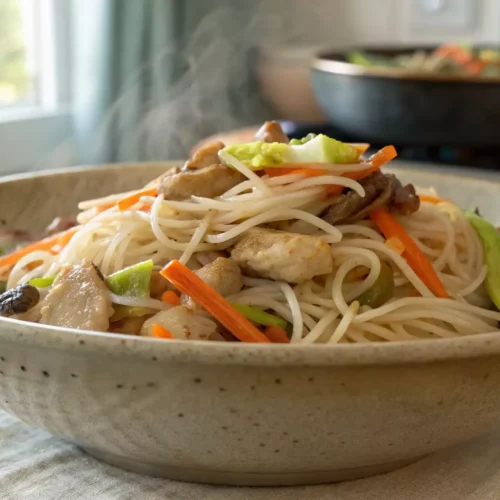
Savory Rice Noodle Stir-Fry
Ingredients
Main Ingredients
- 200 g dried rice noodles medium thickness
- 200 g chicken breast thinly sliced (or shrimp, pork, or tofu)
- 2 cups napa cabbage or green cabbage, sliced
- 1 carrot julienned
- 1 cup mushrooms shiitake or button, sliced
- 2 green onions sliced
- 2 cloves garlic minced
- 1 tsp grated ginger
- 2 tbsp soy sauce
- 1 tbsp oyster sauce
- 1 tsp dark soy sauce optional, for color
- 1 tsp sugar
- 2 tbsp water
- 2 tbsp neutral oil
Instructions
- Soak rice noodles in very hot water for 8–10 minutes until flexible but still slightly firm. Drain and set aside.
- In a small bowl, mix soy sauce, oyster sauce, dark soy sauce, sugar, and water. Set aside.
- Heat oil in a wok or large pan over medium-high heat. Stir-fry chicken until just cooked. Remove and set aside.
- Add garlic and ginger to the pan, stir until fragrant. Add mushrooms, carrot, and cabbage. Cook until just tender.
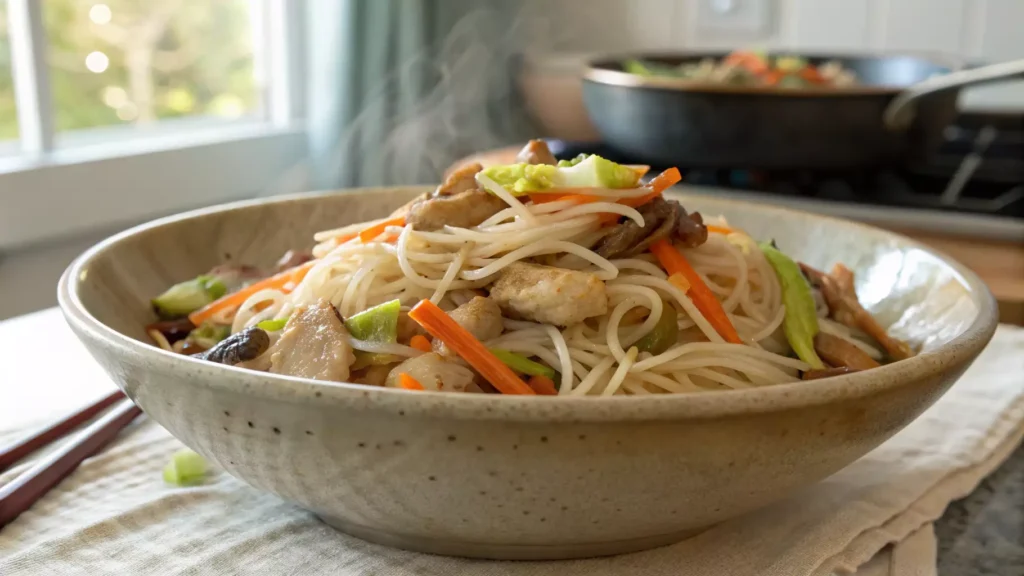
- Add noodles and pour sauce around them. Toss gently with tongs. Return protein and cook 2–3 minutes until sauce is absorbed.
- Add green onions, toss to combine, and remove from heat. Serve hot.
Notes
Soaking vs Boiling Rice Noodles
Soaking is often misunderstood, but it is one of the safest ways to cook rice noodles.
For most medium and wide rice noodles, soaking in hot water is better than boiling. The water should be hot but not violently boiling. Cover the noodles and let them soften gradually. This gives you control. You can stop the process when the noodles are flexible but still slightly firm.
Boiling works best for very thin rice noodles, but only if you stay close. They cook fast, sometimes in under two minutes. Once they lose resistance, they need to come out immediately.
Think of rice noodles as ingredients you finish cooking in the pan, not in the water.
How Texture Determines the Final Dish
Rice noodles should never be fully cooked before they meet sauce or heat again. They should feel pliable, not tender. This allows them to absorb flavor later without collapsing.
If you are planning a stir fry, undercooking slightly is essential. The pan will finish the job. If you are adding them to a salad or serving them cold, you can take them a touch further, but restraint still matters.
This idea of finishing ingredients gently instead of forcing them early is the same mindset that makes
how to cook delicata squash
work so well. Timing beats intensity every time.
Preparing Rice Noodles for Stir Fry Without Clumping
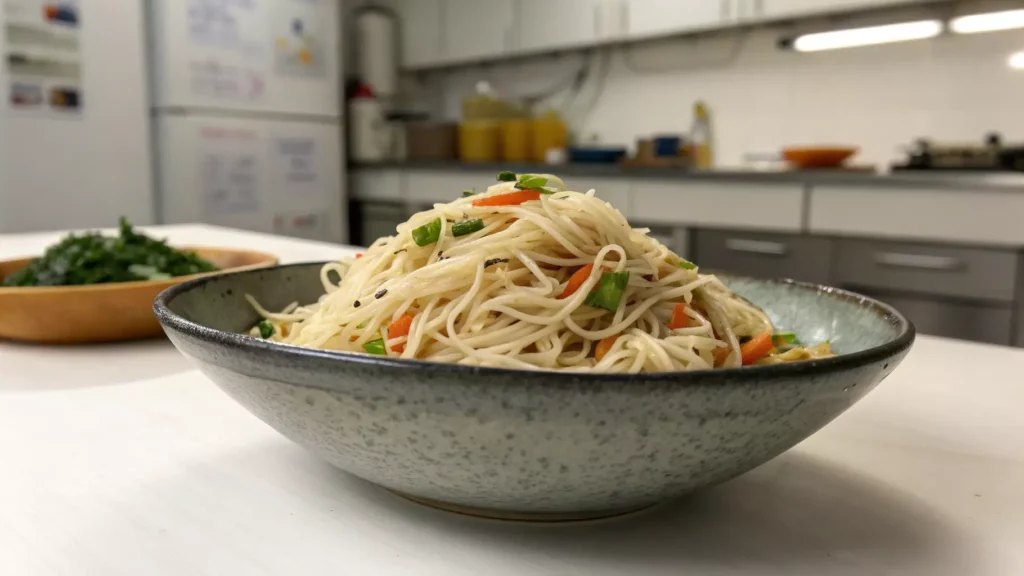
For stir fry, rice noodles need three things: separation, surface dryness, and flexibility.
After soaking or boiling briefly, drain them well. Do not pile them tightly. Spread them out or toss lightly with a small amount of oil if they are sitting for more than a few minutes. This prevents sticking before they ever hit the pan.
The pan should be hot, but not smoking. Add the noodles after aromatics and protein are already moving. This reduces contact time and helps the noodles stay intact.
If sauce is involved, add it around the noodles, not directly on top. Let the noodles pull it in gradually.
When Rice Noodles Break and How to Prevent It
Breaking usually happens when rice noodles are moved too aggressively too early. They need a moment to warm and relax in the pan before being tossed.
Another cause is overhydration. Noodles that absorb too much water lose internal strength. This is why soaking too long can be just as damaging as boiling too hard.
Use tongs or a wide spatula instead of a spoon. Lift and turn instead of stirring in circles. Small changes in movement make a big difference.
Choosing the Right Noodles
Not all noodles are the same. Thickness, brand, and even rice variety affect how they cook.
Flat noodles labeled for stir fry are usually sturdier. Thin vermicelli is better for soups and cold dishes. If a package gives soaking instructions, follow them the first time. Adjust later once you understand how that noodle behaves.
This approach of adapting instead of forcing is common across simple cooking. Fresh combinations like beets burrata salad
work because ingredients are treated for what they are, not what we want them to be.
Finishing Rice Noodles Recipe the Right Way
Once rice noodles are softened correctly, the final step is restraint. Heat should finish the noodles, not dominate them. This is where many dishes fall apart.
If you add rice noodles too early, they overcook before anything else is ready. If you add them too late, they never absorb flavor. The best moment is when the pan already smells right. Aromatics are softened, protein is nearly done, and sauce is warm but not thick.
Add the noodles, toss gently, and let them warm through. Stop as soon as they loosen and coat evenly. Rice noodles reward timing more than force.
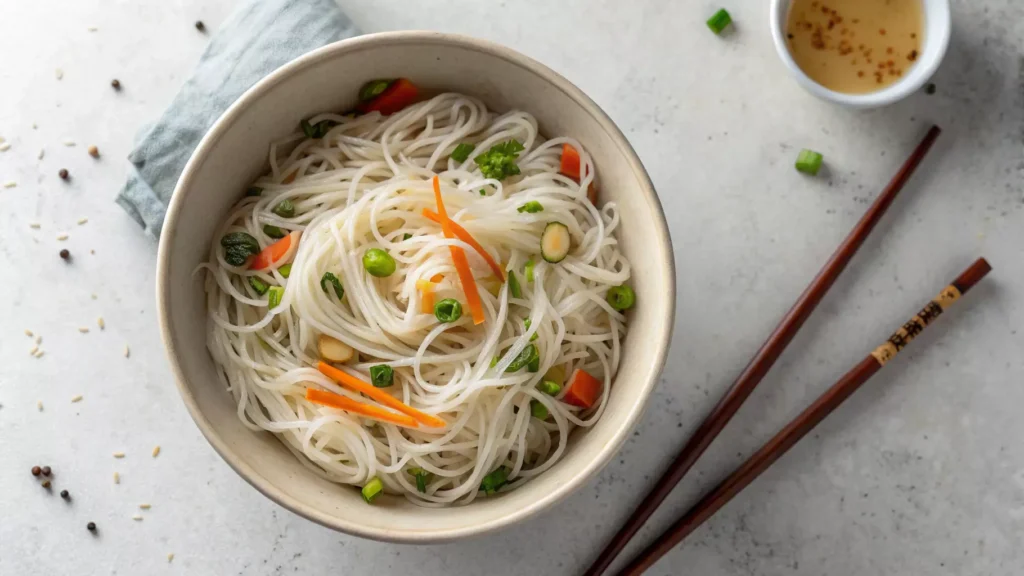
Macronutrient Breakdown (Approximate)
Serving size: plain cooked rice noodles, 1 cup
| Macronutrient | Amount per serving |
|---|---|
| Calories | ~190 kcal |
| Protein | ~3 g |
| Fat | ~1 g |
| Saturated Fat | 0 g |
| Carbohydrates | ~43 g |
| Sugars | ~1 g |
| Fiber | ~1 g |
| Sodium | ~10 mg |
Macronutrient values are approximate and vary depending on noodle thickness, brand, and cooking method. Values shown are for plain rice noodles without sauce or added fat.
How to Use Rice Noodles Beyond Stir Fry
Noodles are often locked into stir fry thinking, but they are more flexible than that.
For cold or room temperature dishes, noodles should be soaked slightly longer, then drained thoroughly. Once cooled, they hold their shape well and stay separate. This makes them ideal for salads where texture matters as much as flavor.
Storing and Reheating Rice Noodles Without Ruining Them
Noodles are best used fresh, but leftovers can still work if handled carefully.
To store, let noodles cool completely, then lightly coat them with a small amount of oil before refrigerating. This reduces sticking and surface drying.
When reheating, avoid the microwave if possible. Gentle heat in a pan with a splash of water or sauce brings them back more evenly. Stir slowly and stop early. Once reheated, rice noodles should be served immediately.
Reheating more than once is rarely successful. Plan portions accordingly.
Final Thoughts on Cooking Rice Noodles
Noodles are not difficult. They are specific.
Once you stop treating them like wheat pasta, they become predictable and reliable. Soaking instead of boiling, finishing in the pan, and handling gently solves most problems before they start.
Mastering rice noodles is less about memorizing steps and more about understanding texture. When you cook with that in mind, the noodles stop fighting back and start doing what you want.
Are rice noodles healthier?
Rice noodles can be a lighter option depending on how they are used.
Compared to many wheat noodles, noodles are lower in fat and contain no gluten, but they are still primarily a source of carbohydrates. How healthy a rice noodles recipe is depends more on portion size and what ingredients are served with the noodles.
How do I cook rice noodles?
The best way to cook rice noodles depends on their thickness.
Most rice noodles are cooked by soaking them in hot water until flexible, then finishing them in a pan or dish. Learning how to cook rice noodles properly prevents sticking, breaking, and overcooking.
Are rice noodles gluten-free?
Yes, noodles are naturally gluten-free.
Rice noodles are made from rice flour and water, which makes them suitable for people avoiding gluten. Always check the label to confirm there are no added wheat-based ingredients.
What is the difference between rice noodles and normal noodles?
The main difference between rice noodles and normal noodles is the flour used.
Rice noodles are made from rice flour and have a softer, more delicate texture, while normal noodles are usually made from wheat flour and contain gluten, which gives them more elasticity and chew.
What can I add to rice noodles?
Rice noodles are very neutral, which makes them easy to build on. In a simple rice noodle recipe, I usually add sautéed vegetables, a protein like chicken or tofu, and a small amount of sauce for balance. For rice noodles for stir fry, aromatics such as garlic, ginger, or scallions help anchor the flavor before anything else goes in.
How do you flavour plain rice noodles?
Plain rice noodles need seasoning from the outside. After you cook rice noodles properly, flavor comes from sauces, oils, and ingredients added afterward. Even a light mix of soy sauce, sesame oil, and vegetables can turn plain noodles into a complete dish without overwhelming them.
What is the secret to cooking rice noodles?
The secret to how to cook rice noodles is timing and restraint. Most rice noodles do not need aggressive boiling. Soaking or briefly simmering until just tender, then finishing them in a pan or sauce, prevents them from turning mushy and helps them absorb flavor naturally.